
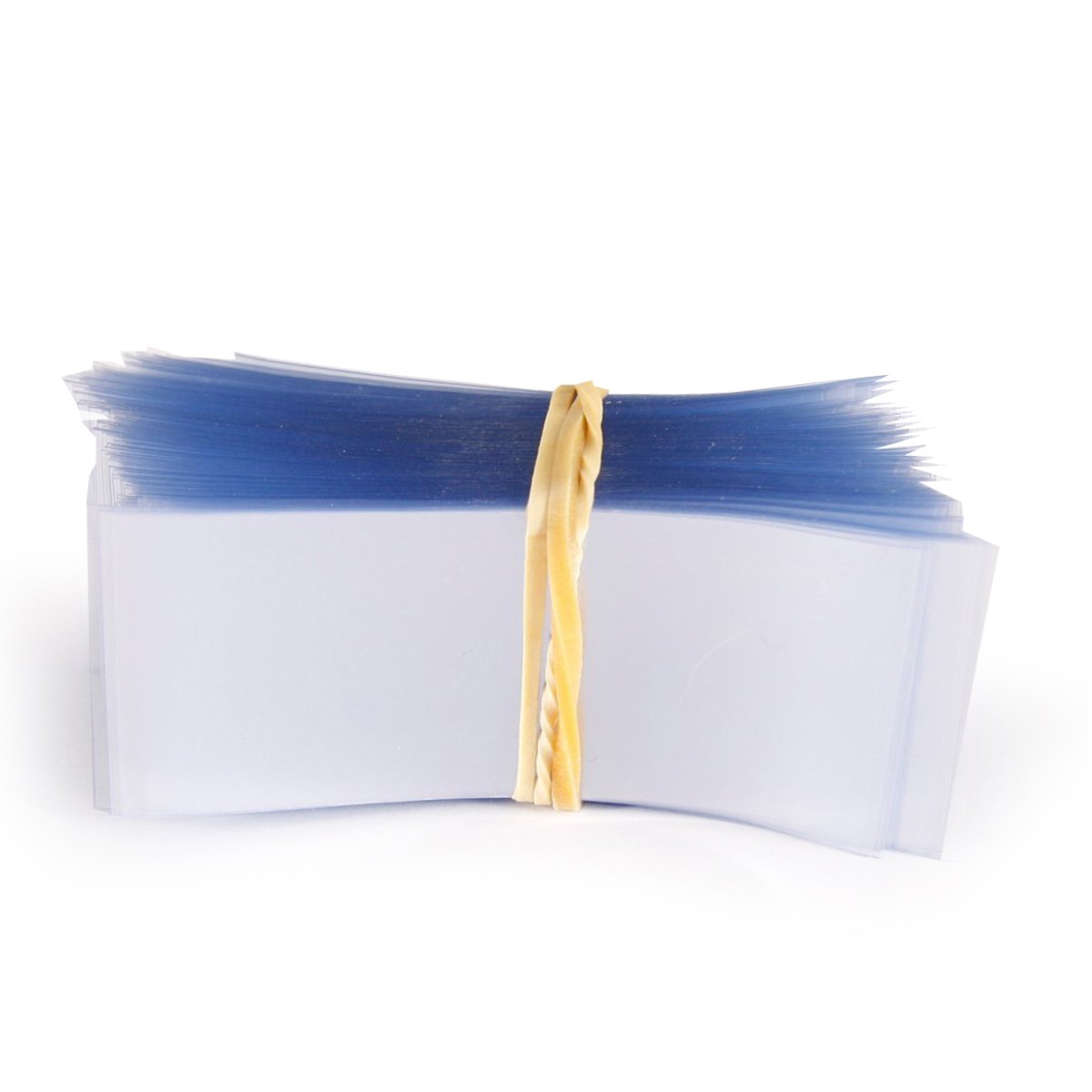
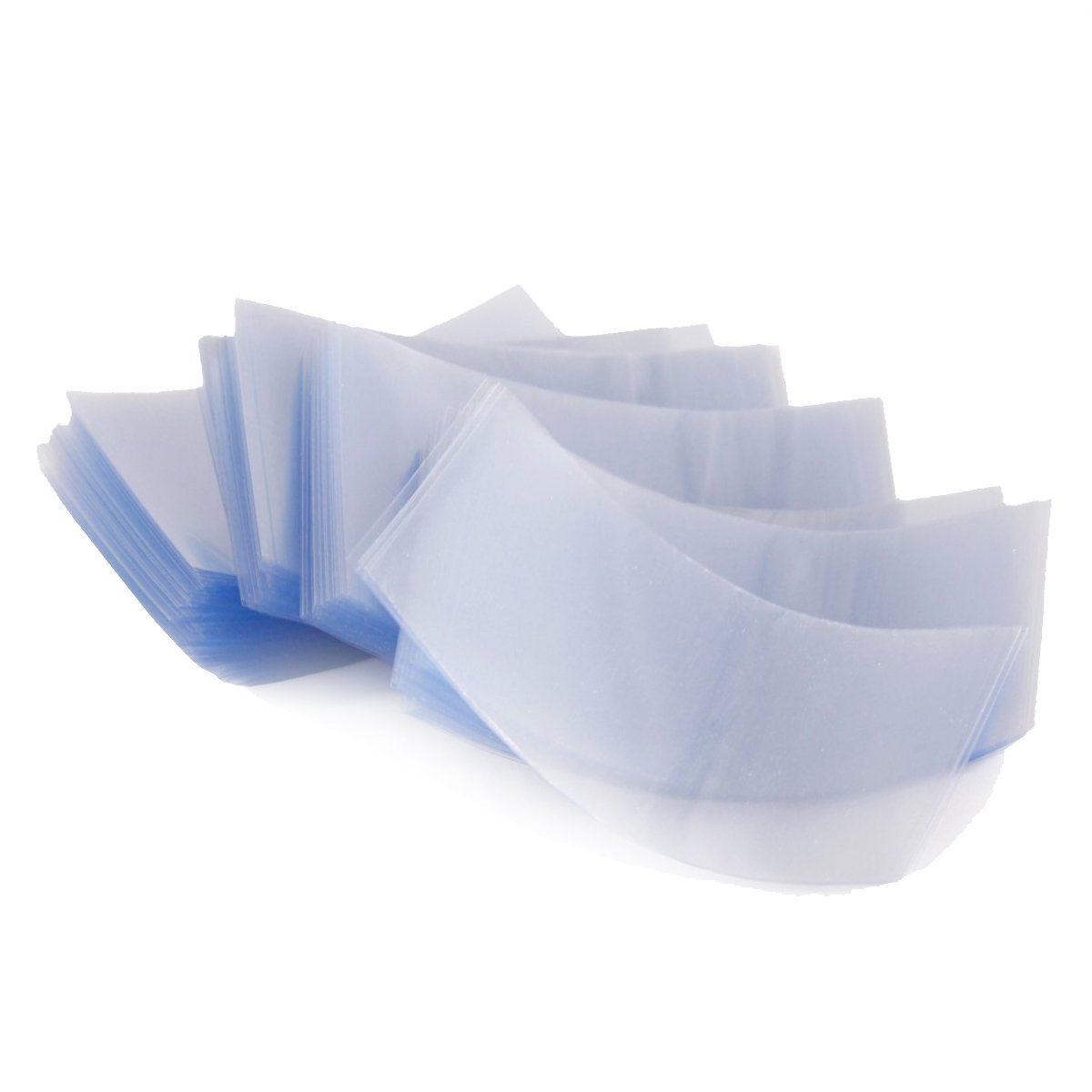
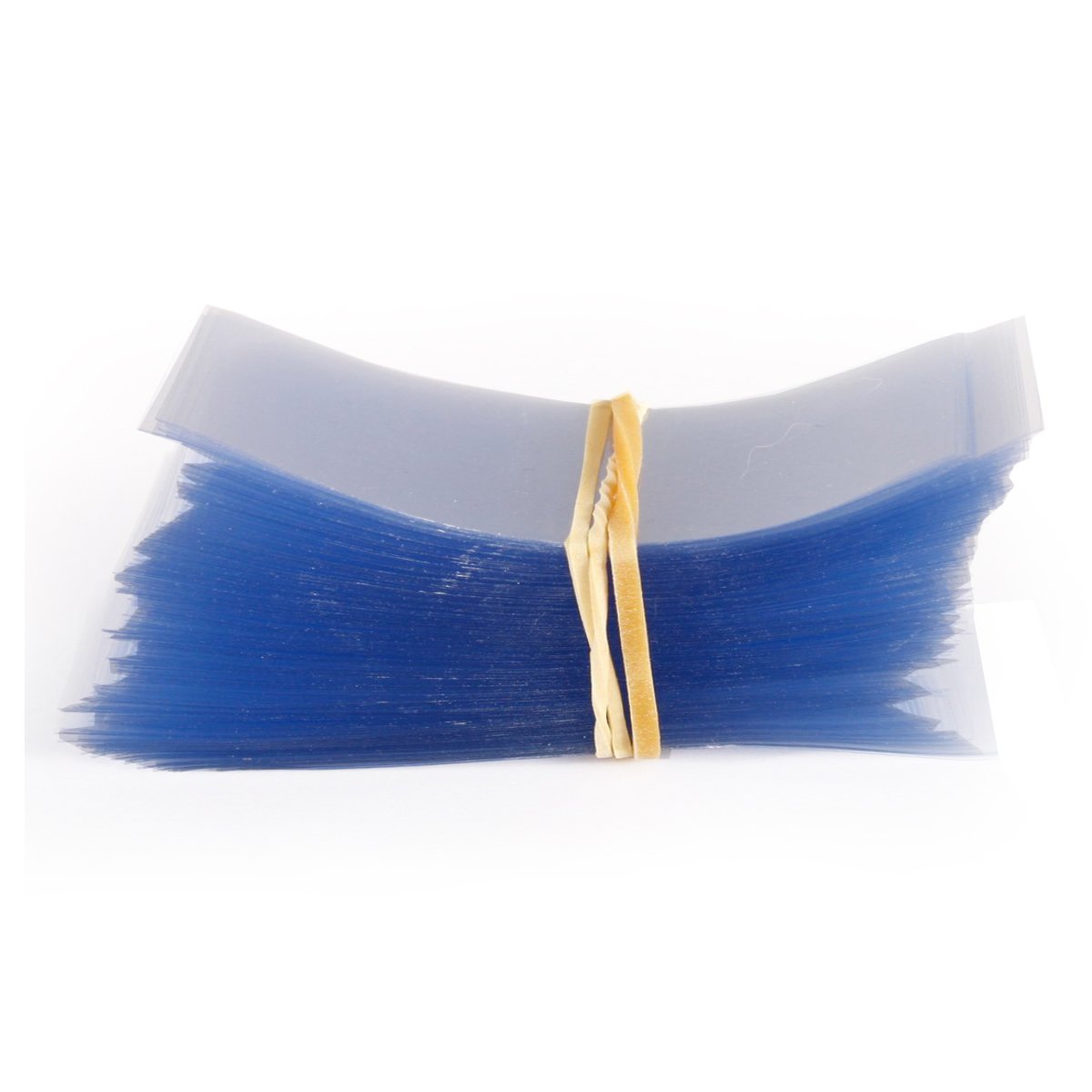
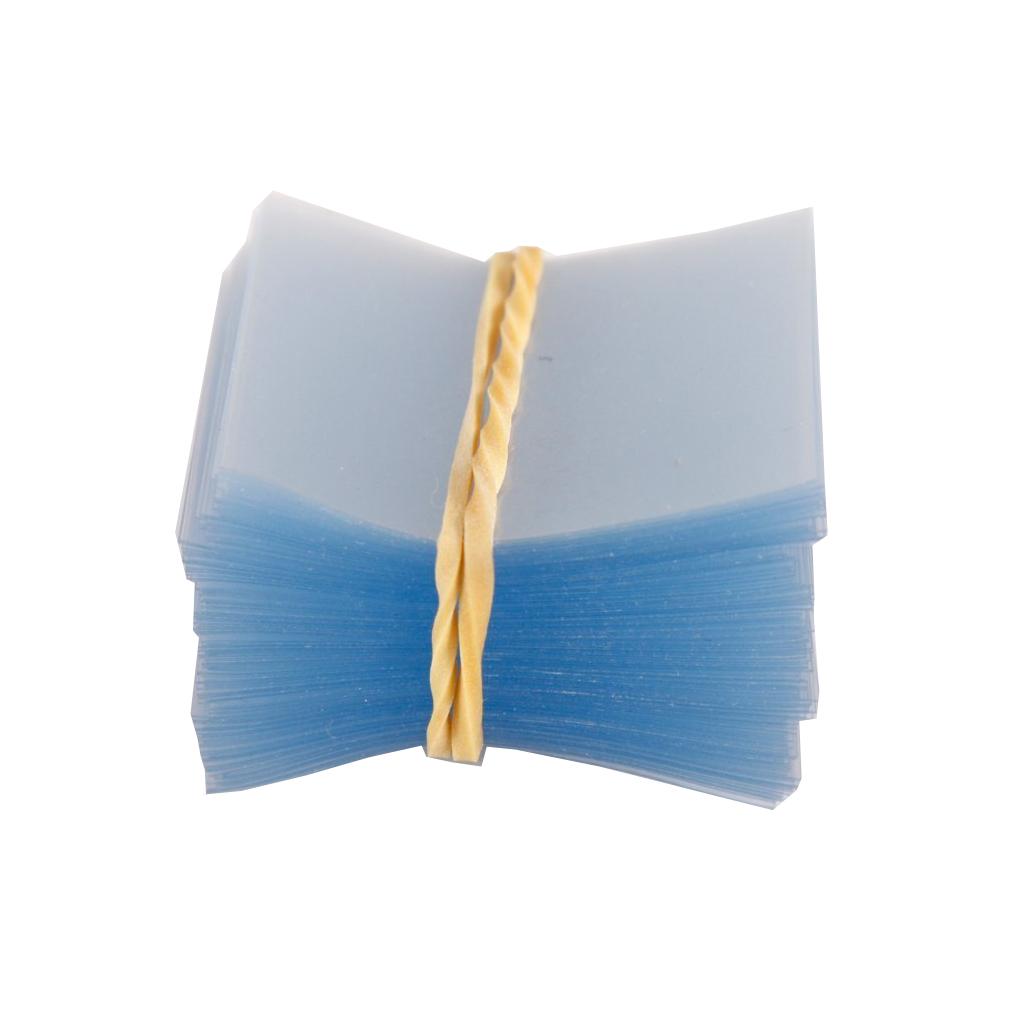
Tamper Evident Shrink Bands
Explore Categories

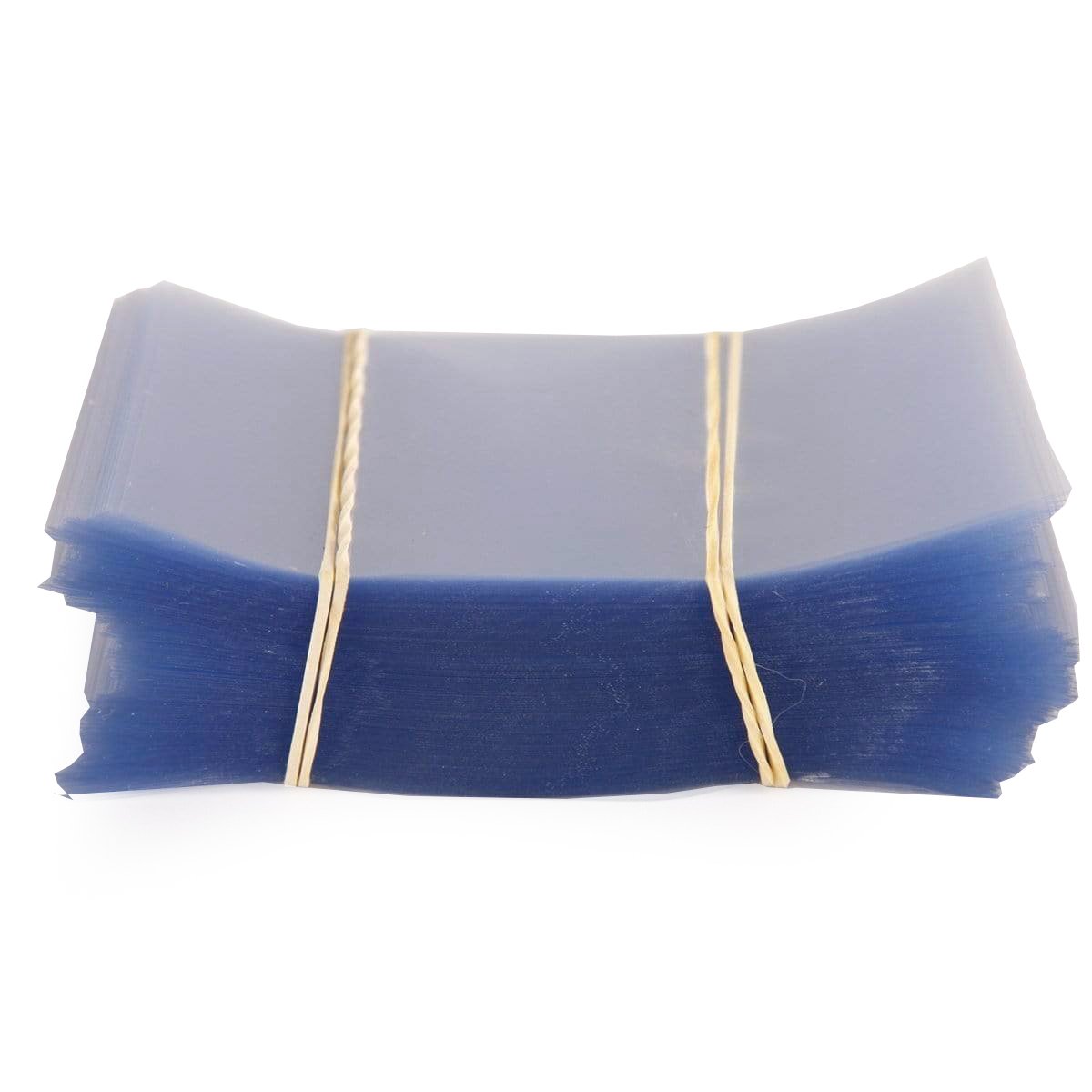
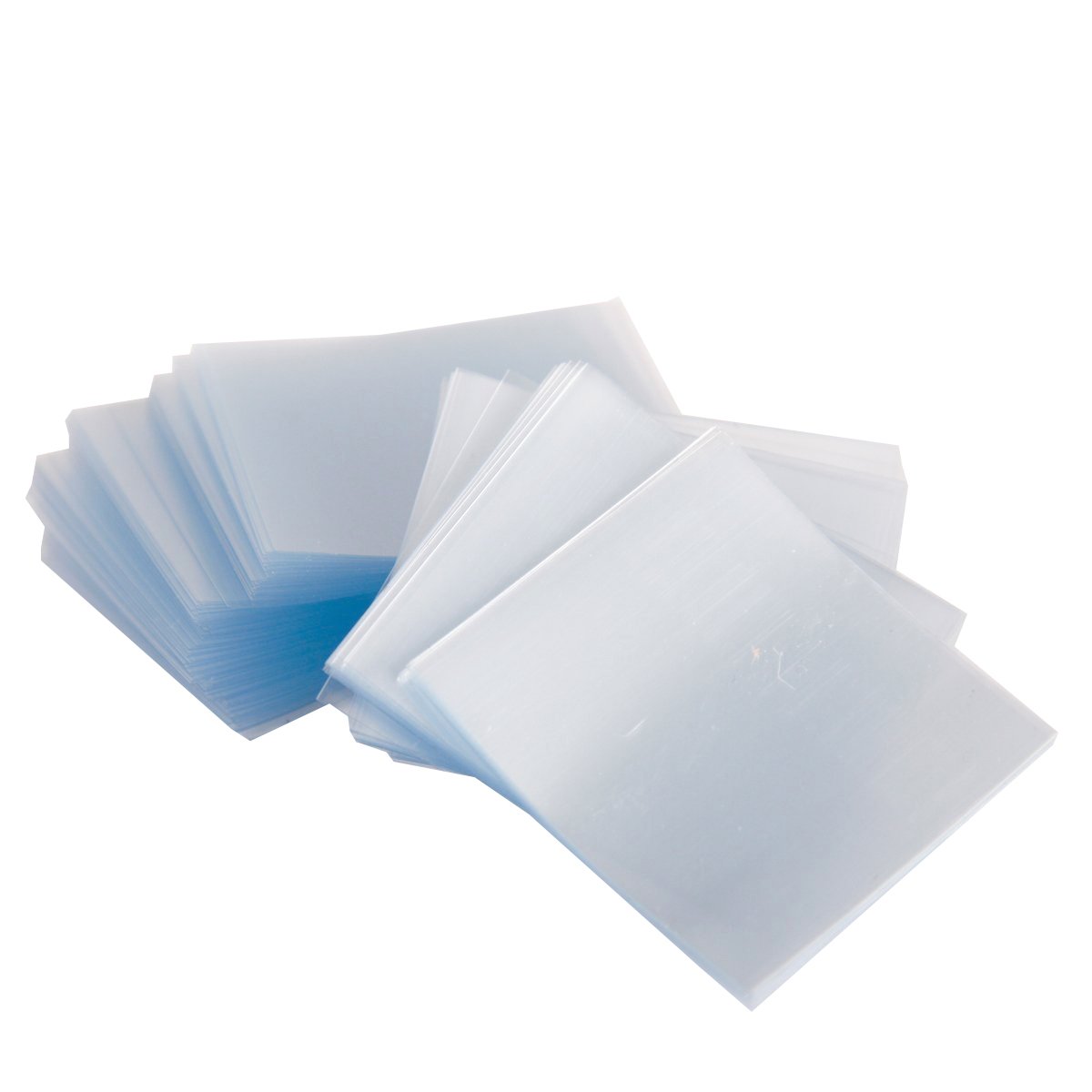
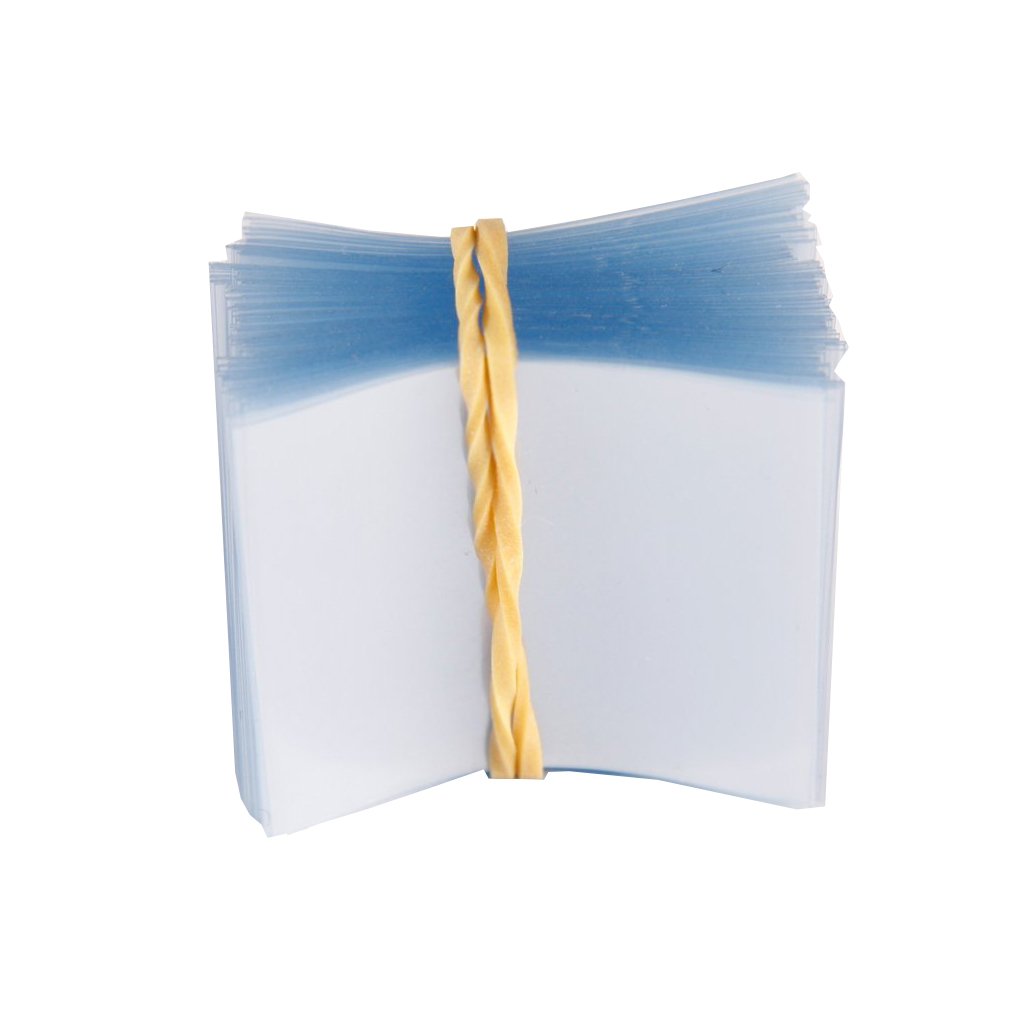
Tamper Evident Shrink Bands FAQ
How do I determine the correct shrink band size for my closures and container rims?
To calculate the exact shrink band size required for a secure fit, measure the widest outside diameter of your container cap rather than the internal neck opening size alone. The flat lay width of the plastic band must clear the absolute maximum circumference of the closure assembly, while the cut height must cover enough vertical space to overlap the container base or neck ring to restrict structural opening attempts.
To verify exact millimeter tolerances and find the right match for your specific closures, check the parameters detailed inside the technical specification tables inside each product listing.
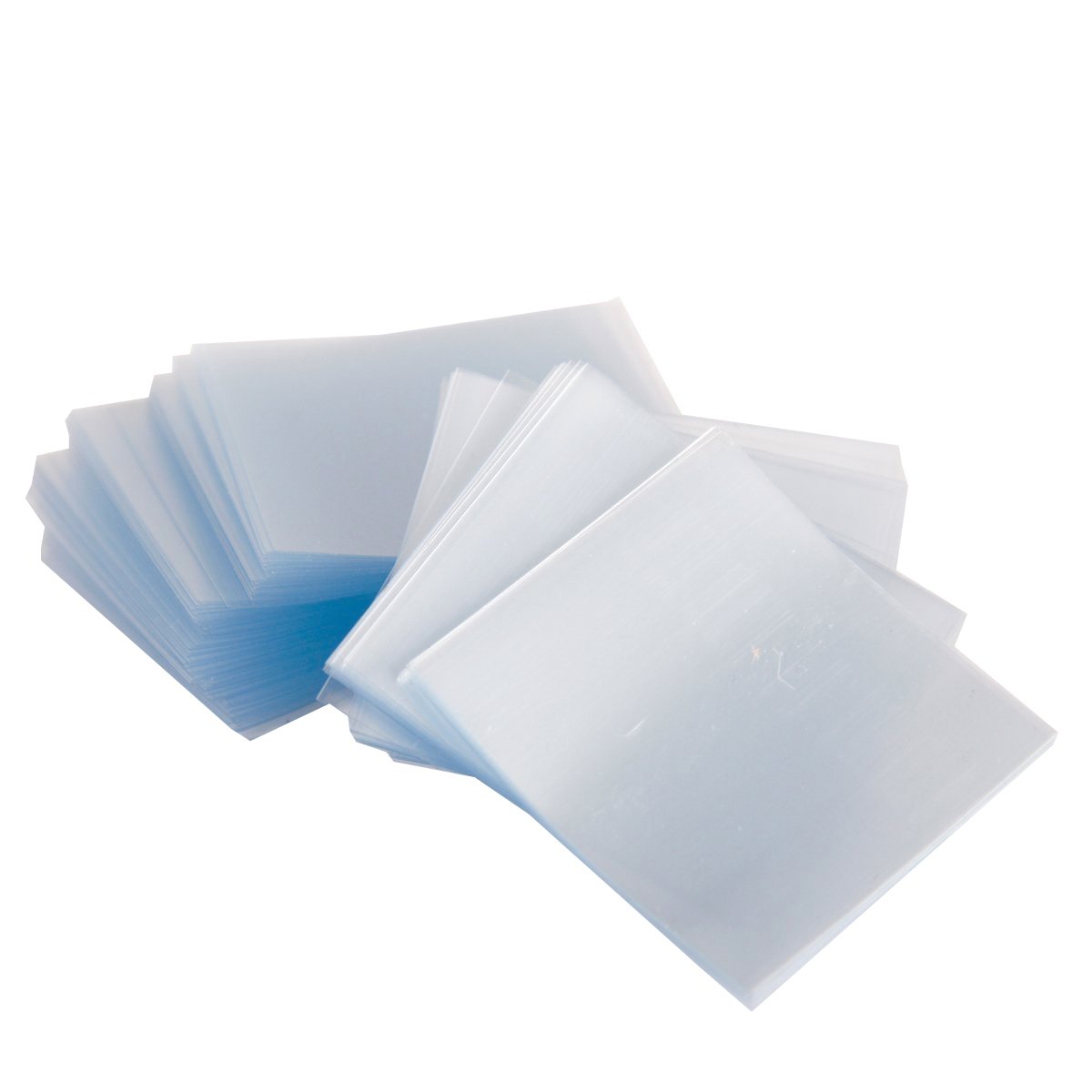
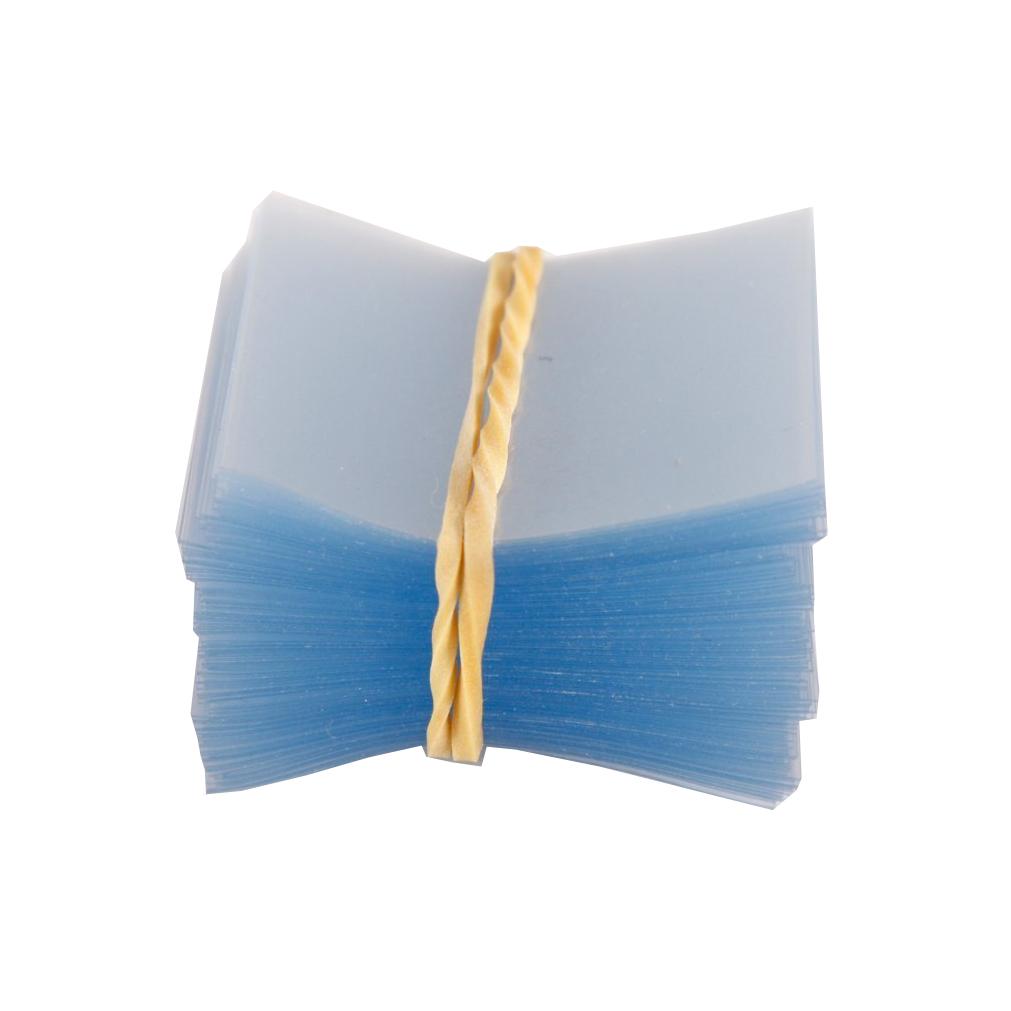
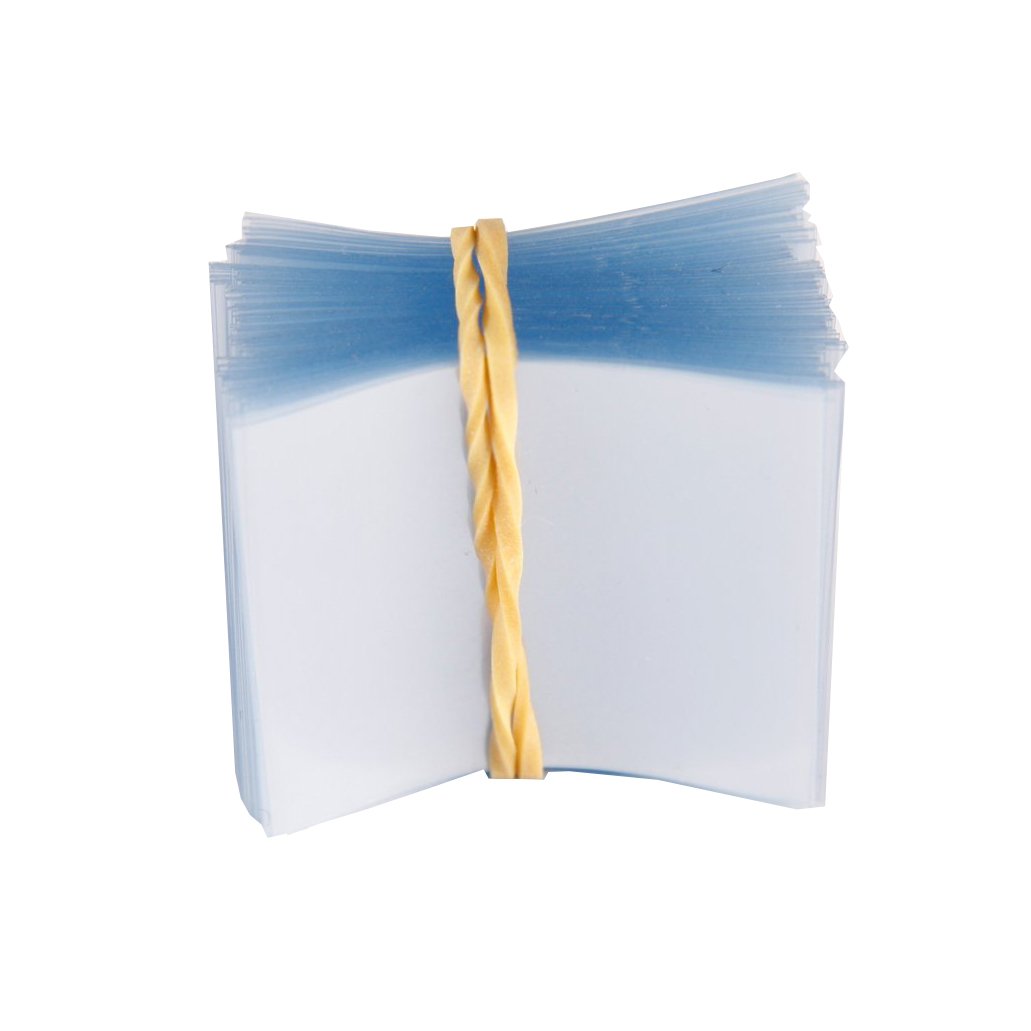
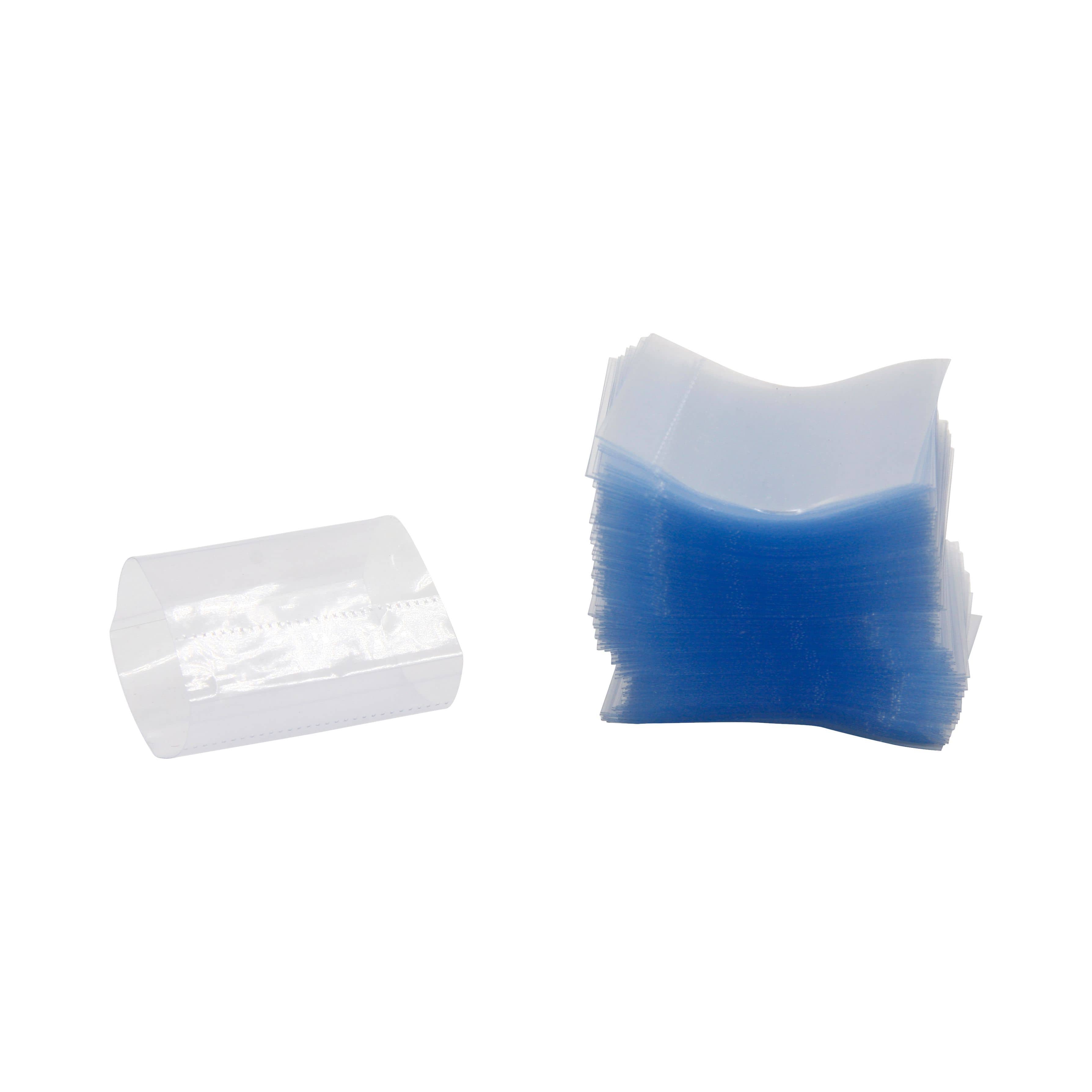
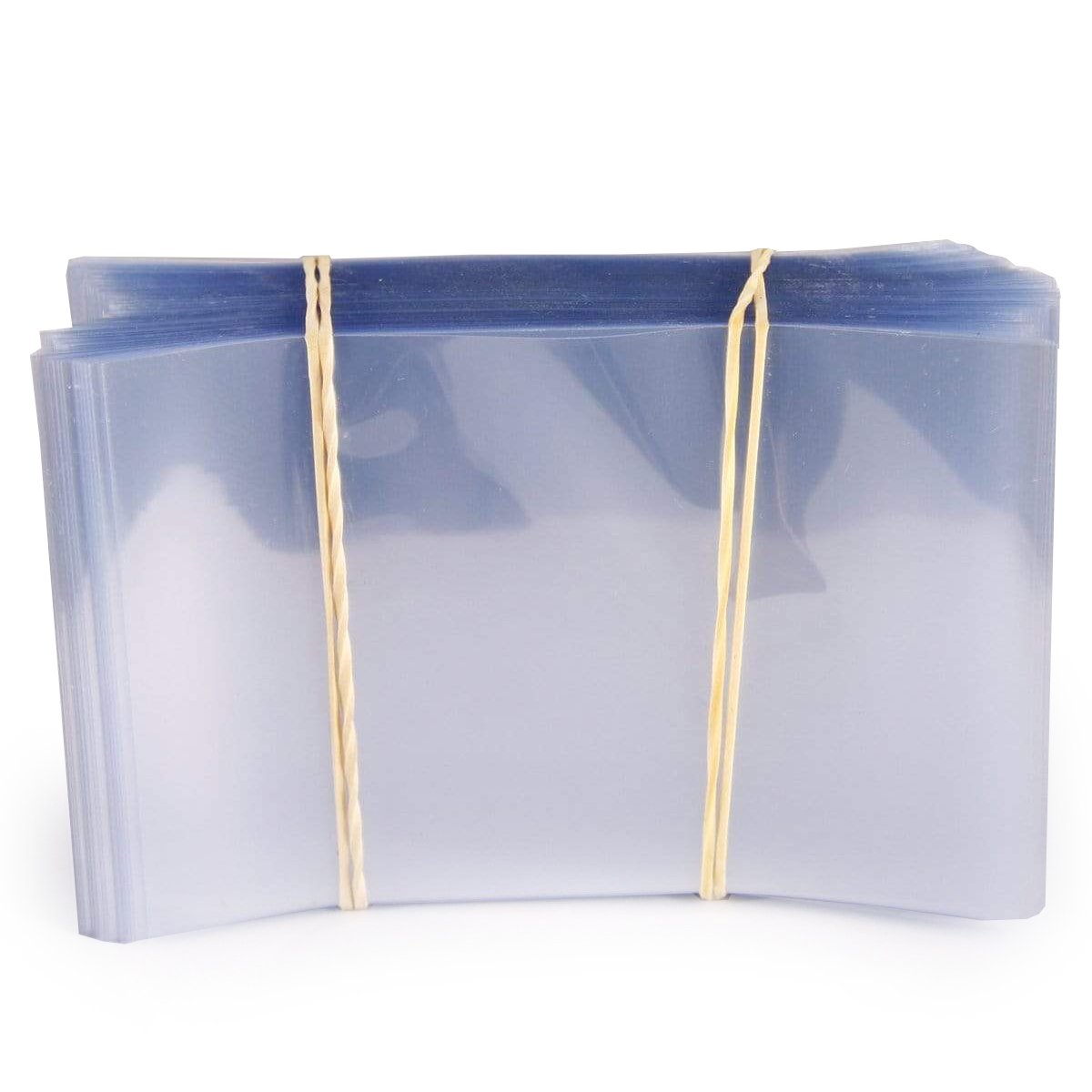
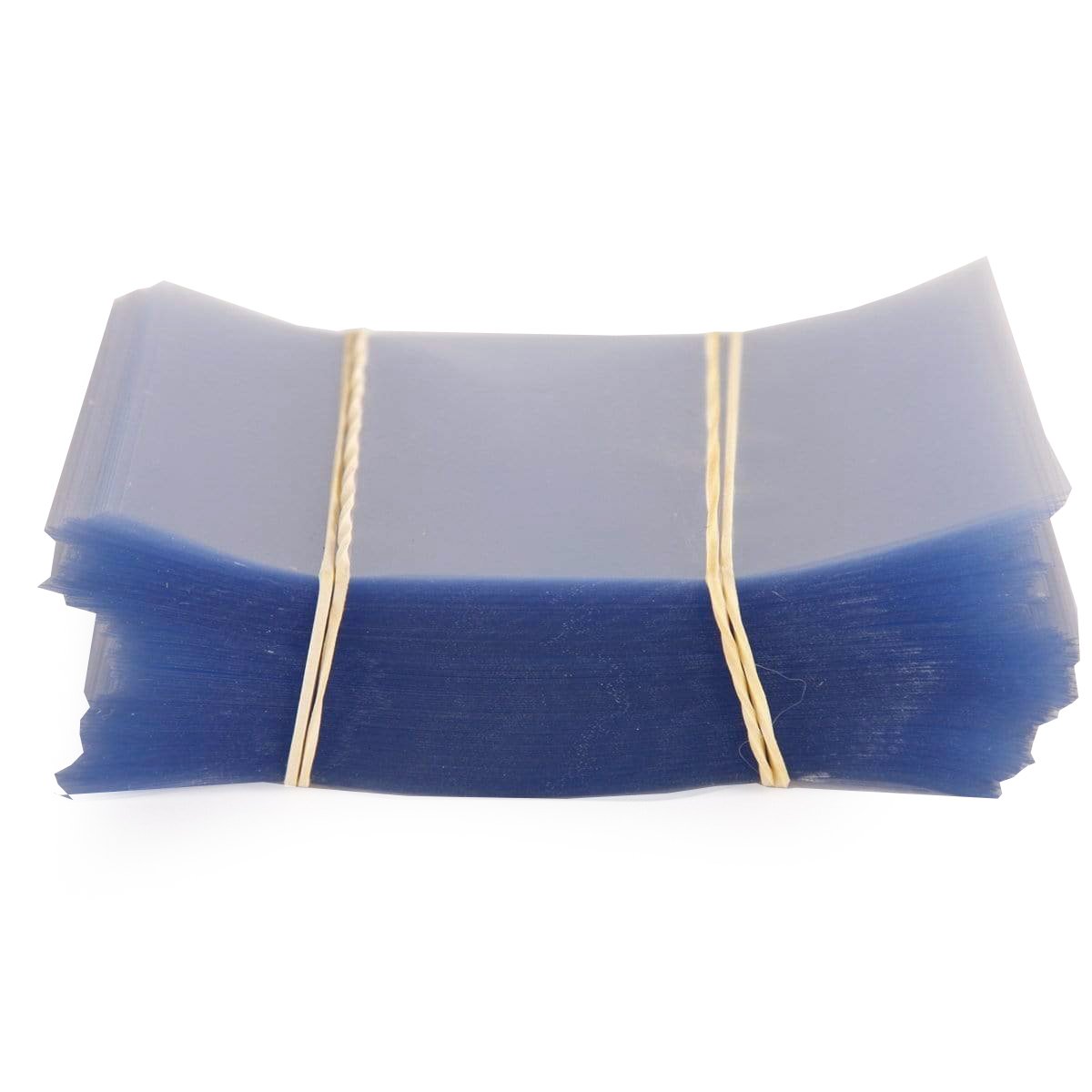
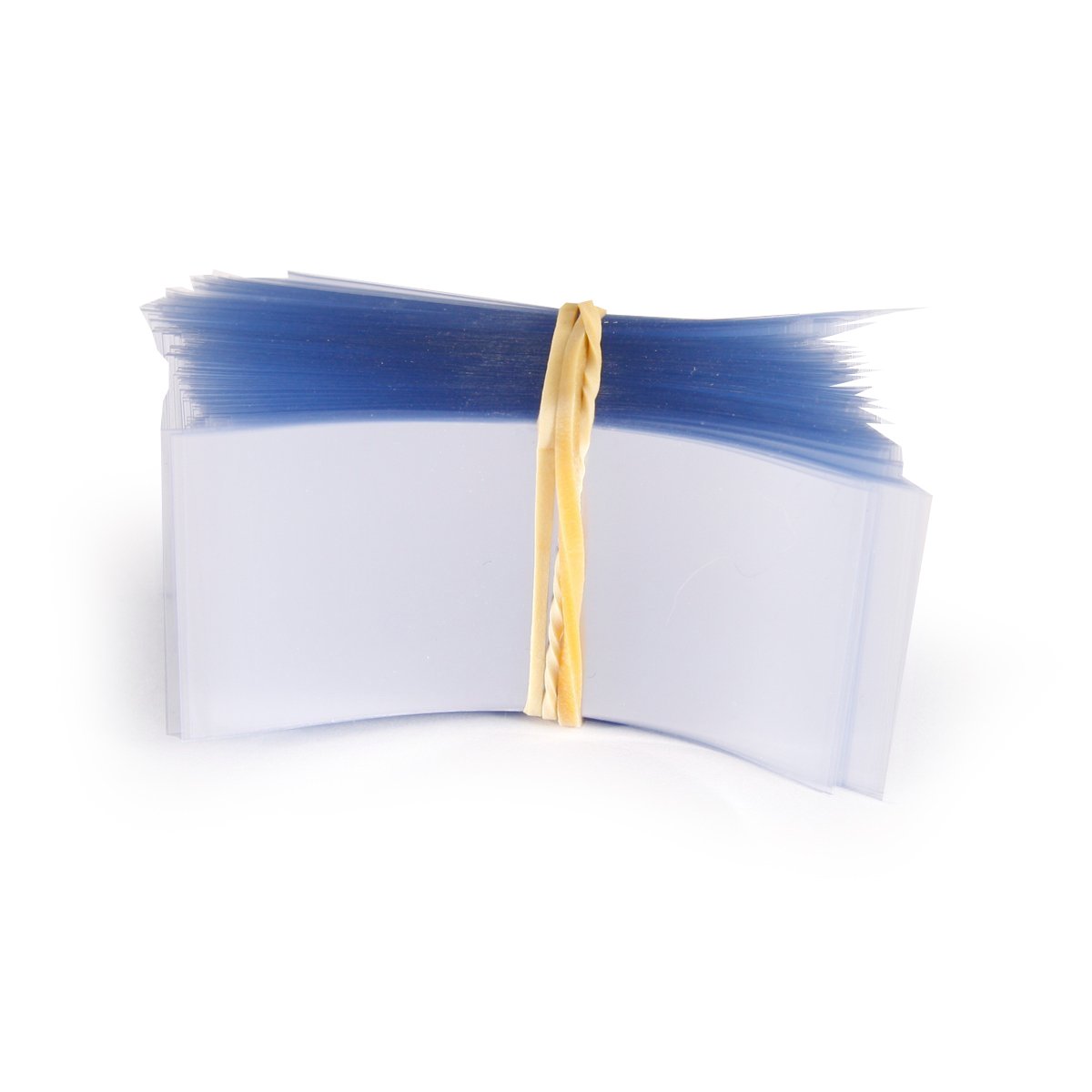
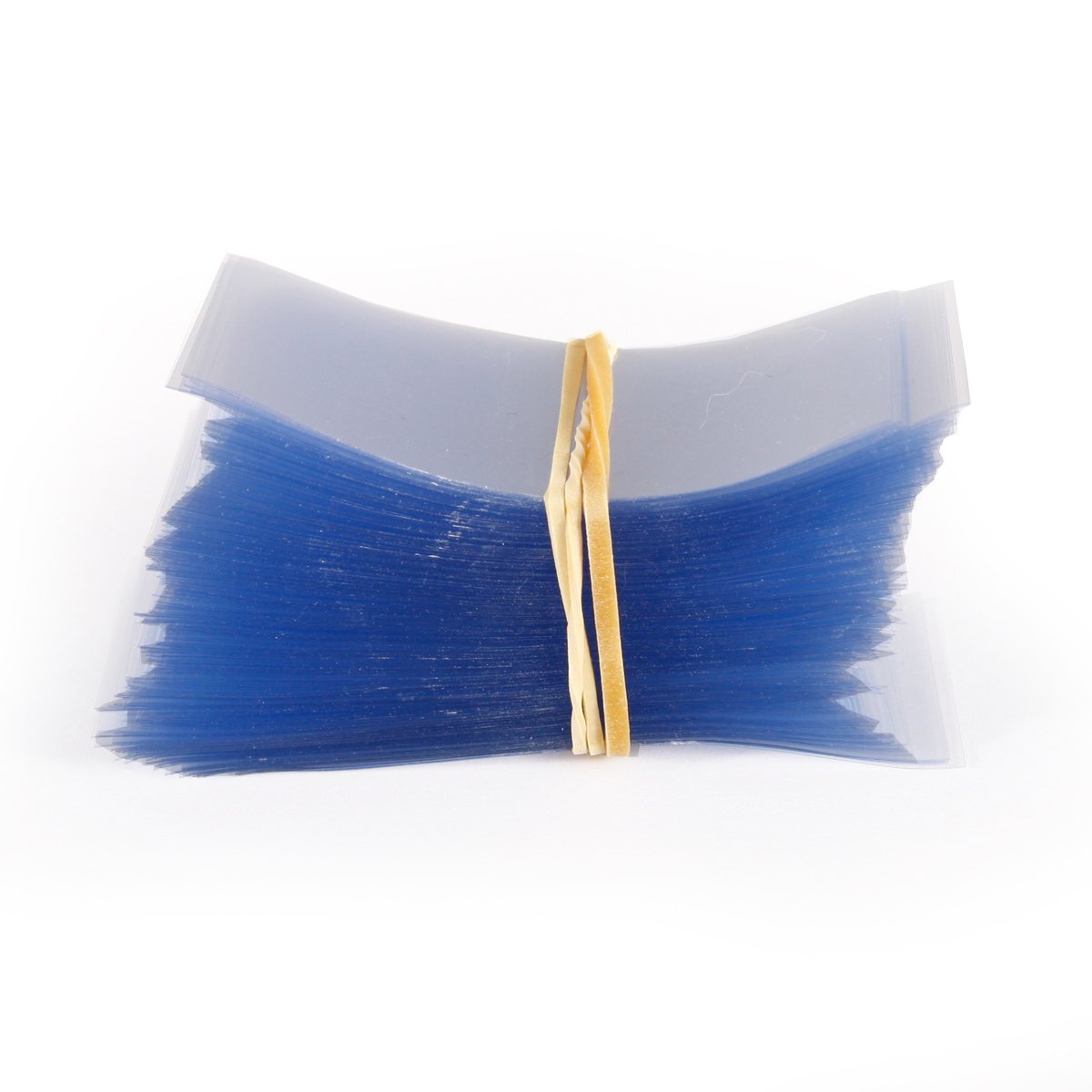
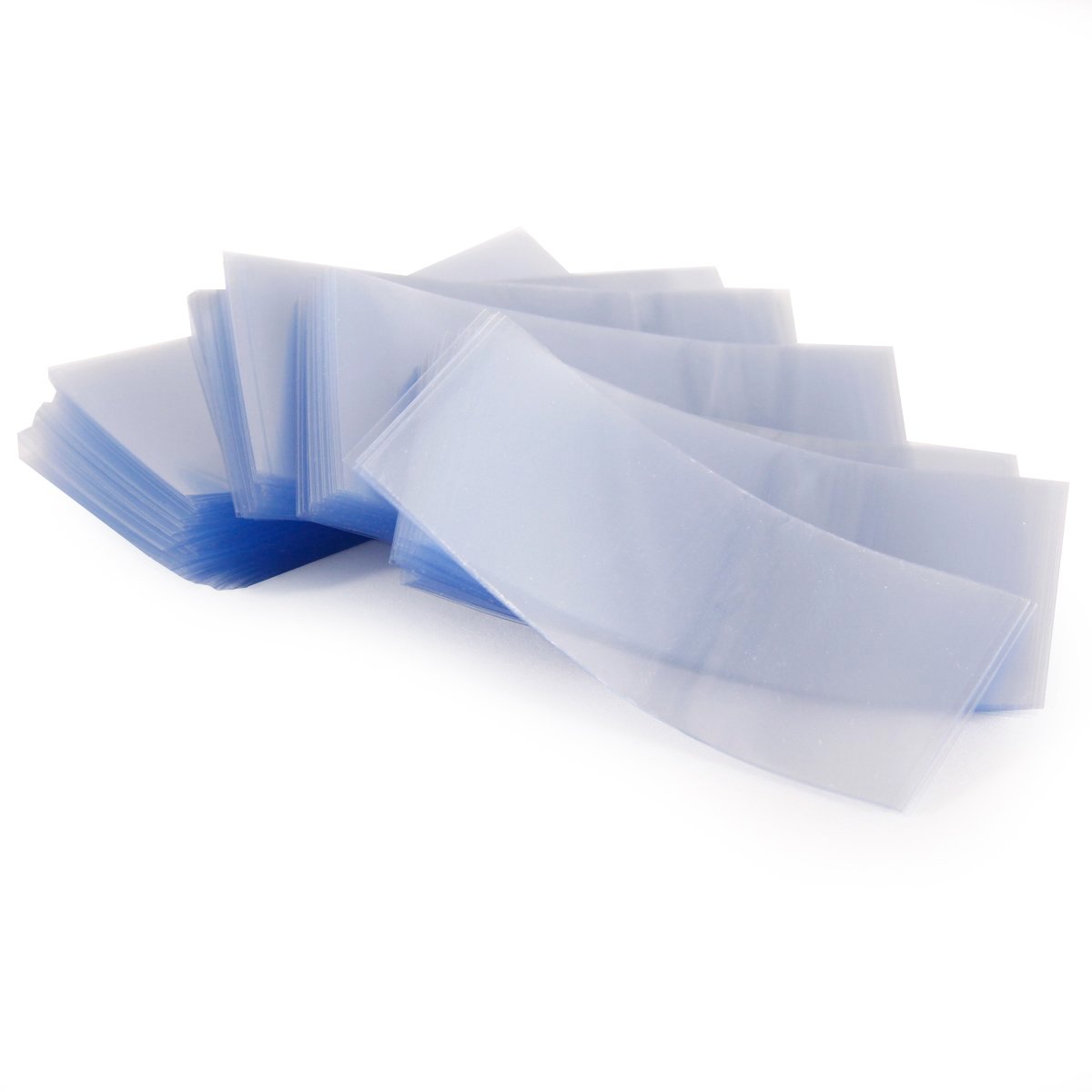
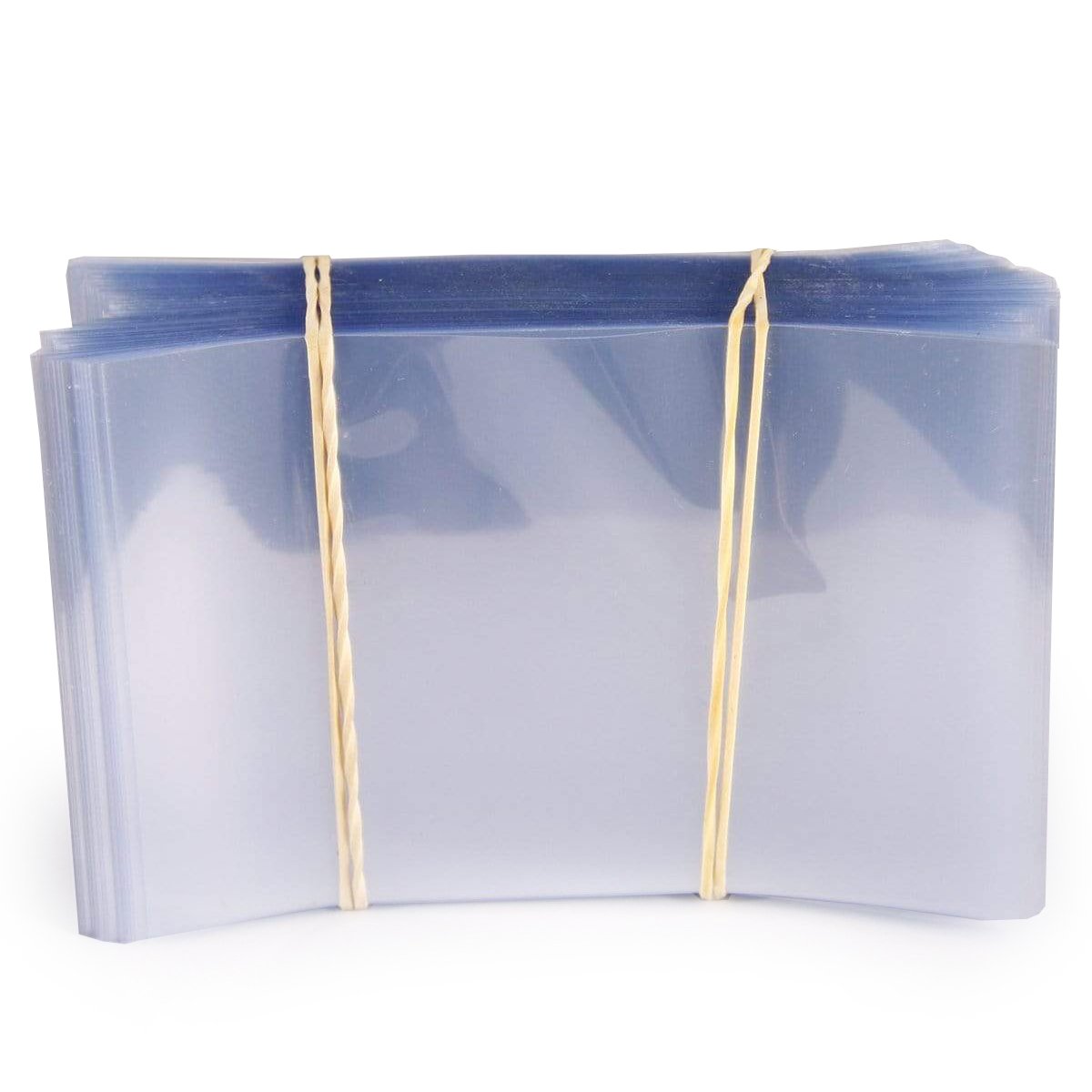
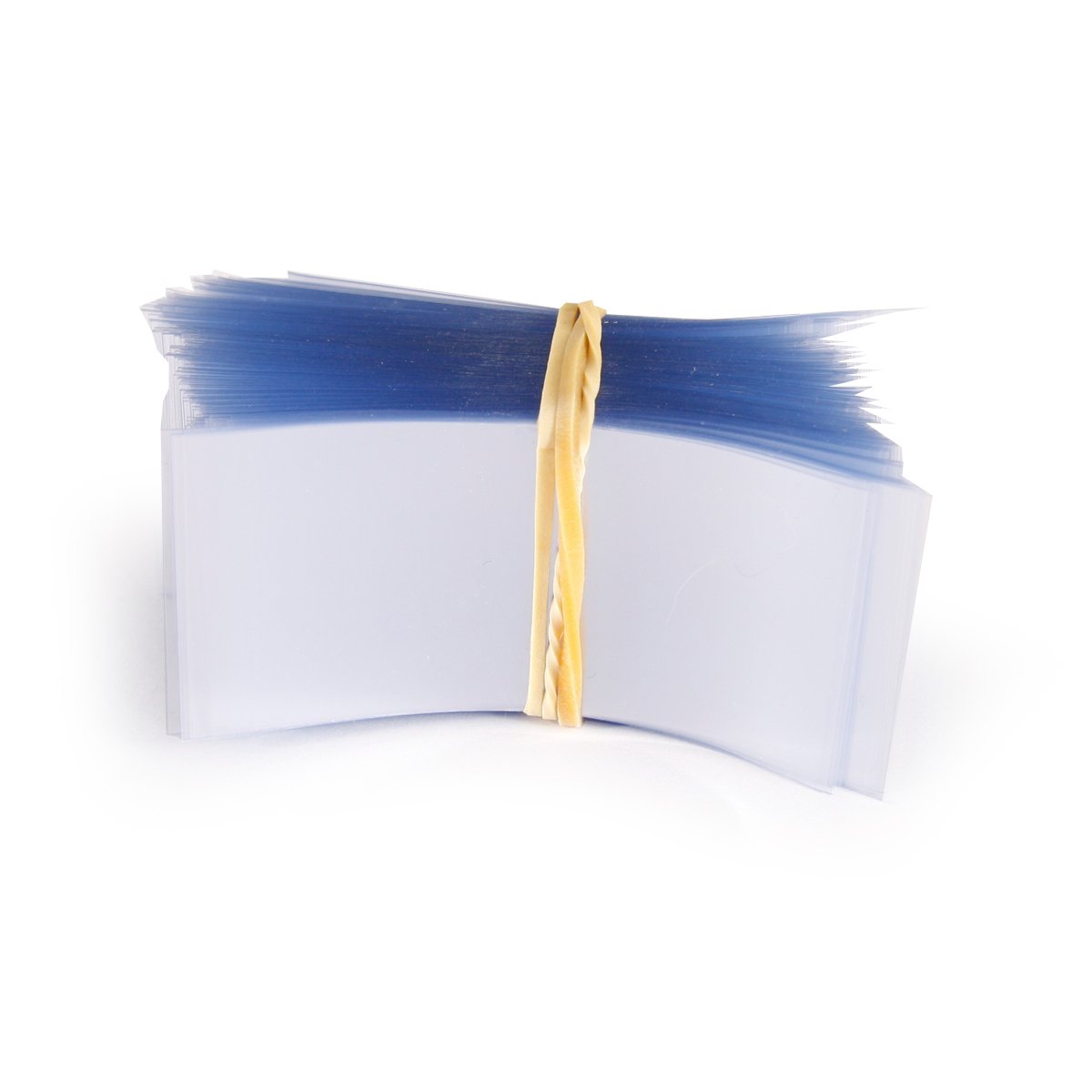
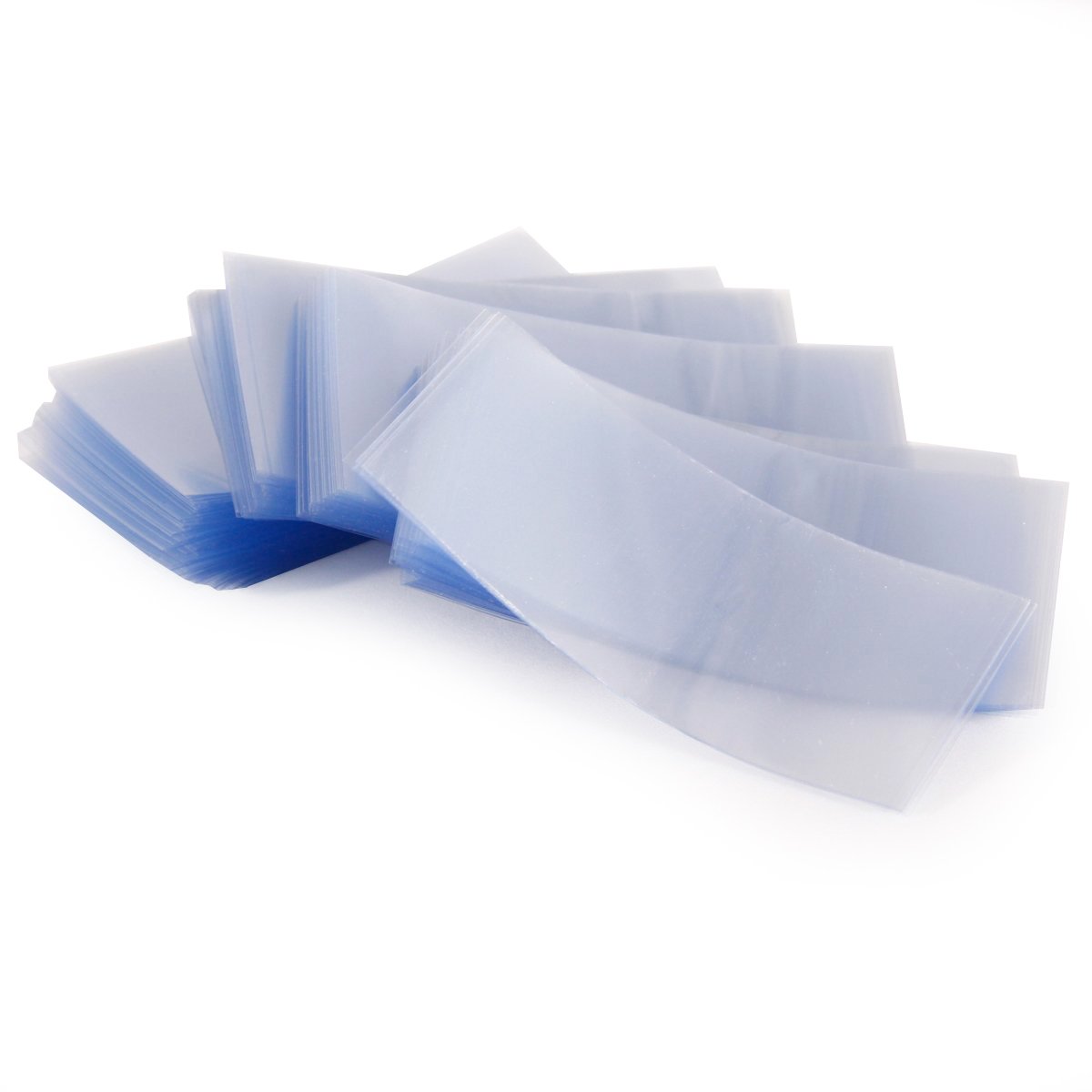
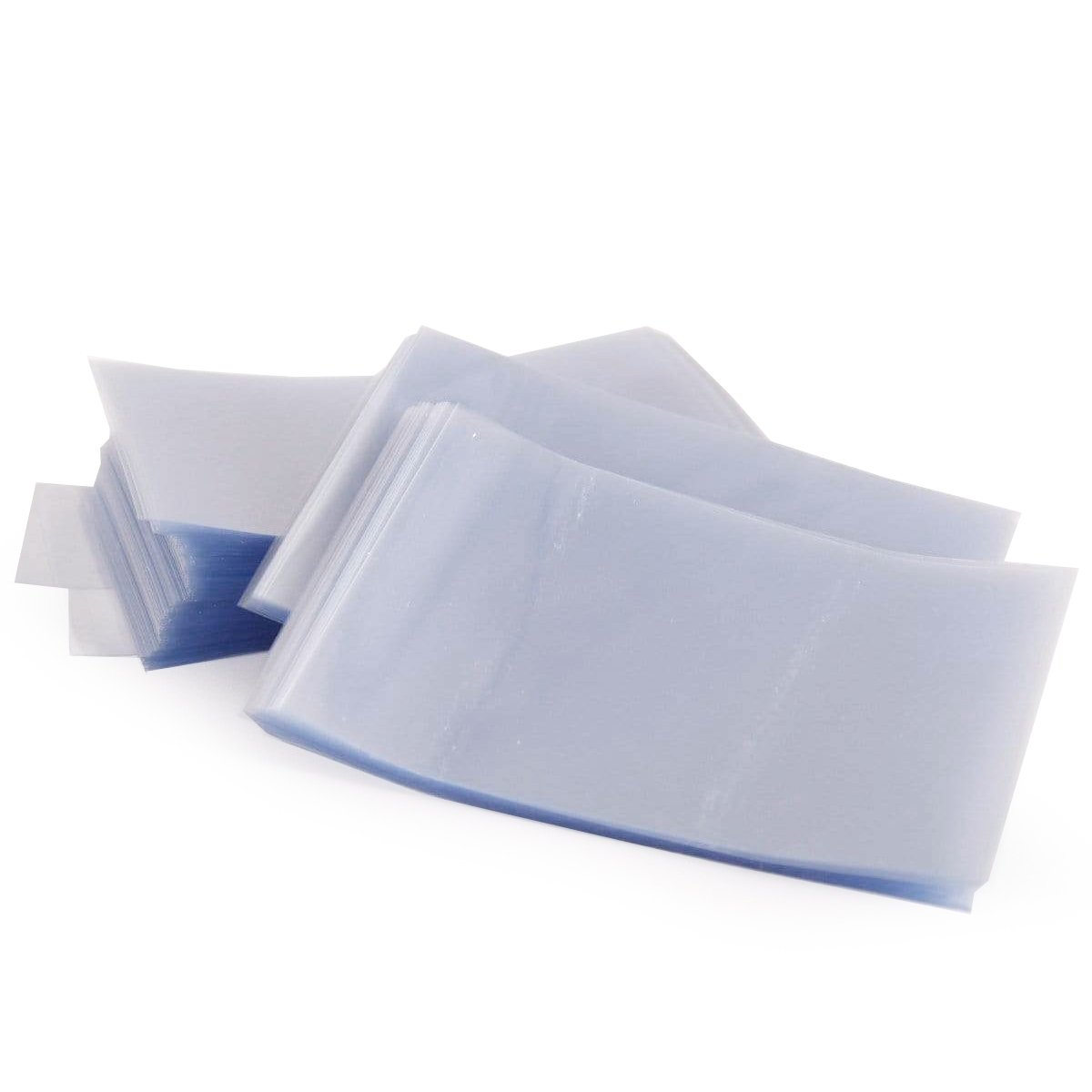
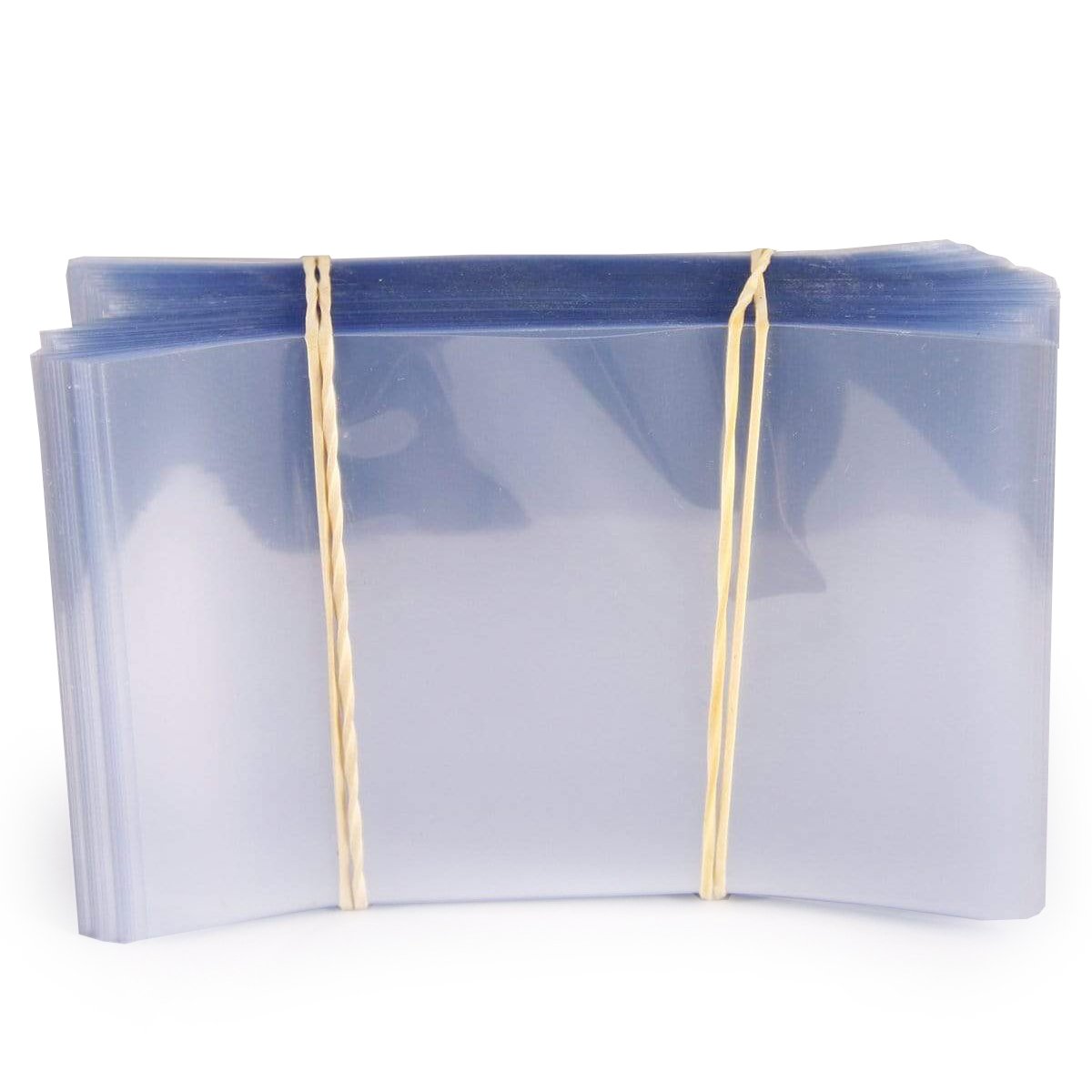
- Flat Lay Width: The exact horizontal measurement of the collapsed band, which must slightly exceed the outermost closure diameter to slide on smoothly during assembly.
- Cut Height: The vertical distance of the band, ensuring it spans completely across the seam between the cap and container body.
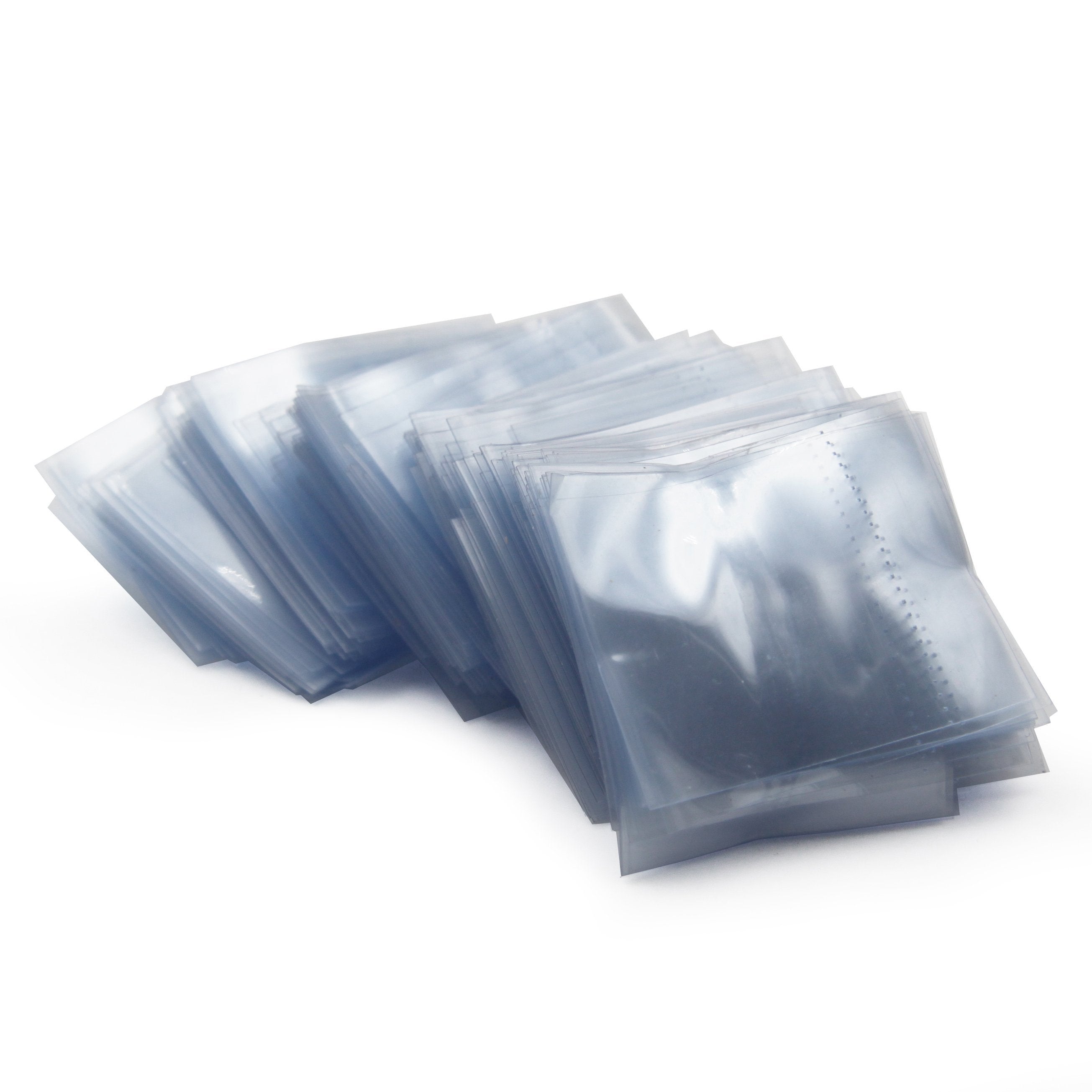
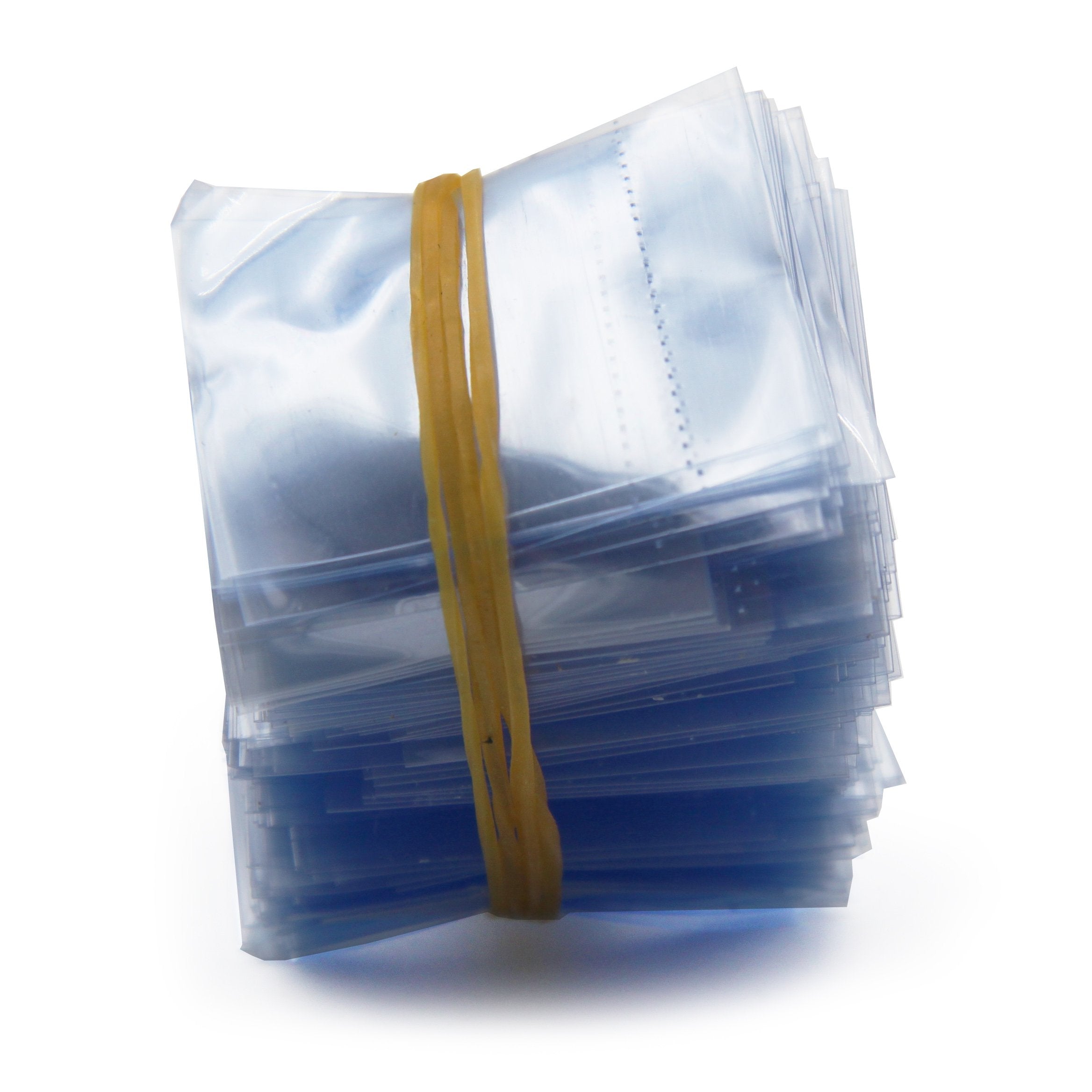
- Perforated Verticals: Built-in tear lines that allow the consumer to easily strip away the plastic wrap while providing clear proof of tampering if broken.
Are tamper-evident plastic shrink bands required to satisfy legal retail compliance parameters?
Yes, many regional marketplaces strictly mandate a continuous tamper-evident closure mechanism on final packaging to prove items have not been opened before customer checkout. While an integrated child-resistant push cap or squeeze lock keeps contents secure, an external heat-shrunk seal adds an explicit layer of physical security that reassures compliance inspectors and consumers alike.
Be aware that transparent or clear bands only establish structural security and do not alter container opacity rules in strict legal markets. To review specific territorial rules regarding container transparency, visibility limits, and retail checkout rules, consult our State Compliance Regulations Guide.
What processing methods prevent split seams and distortion when applying heat to bands?
To eliminate split seams and material distortion on your assembly line, optimize processing throughput by applying rapid, indirect heat using a commercial heat gun or dedicated shrink tunnel. Subjecting plastic bands to direct, stationary high temperatures causes uneven shrinkage, resulting in warped plastic or broken seams that compromise the look of your retail display.
To cross-reference your outer container dimensions and diameter metrics before calibrating your heat application tools, evaluate the design dimensions laid out in our visual Pop Top Sizing Chart.
Can I cut down warehouse assembly times by outsourcing my container labeling and branding?
Yes, you can streamline your manufacturing line and eliminate slow hand-labeling workflows by using our automated in-house label application service. Manually wrapping and applying compliance labels or custom graphics onto tapered plastic jars, glass jars, or narrow tubes prior to the final heat shrink processing steps creates major facility bottlenecks and high waste metrics.
Our facility machinery mechanically applies high-tack custom wraps with perfectly flat, straight results across your entire batch before delivery. To set up your custom branding designs, submit artwork, and configure a fill-ready package line, visit our In-House Label Application Service menu.