
Jars | 30 Dram
Explore Categories


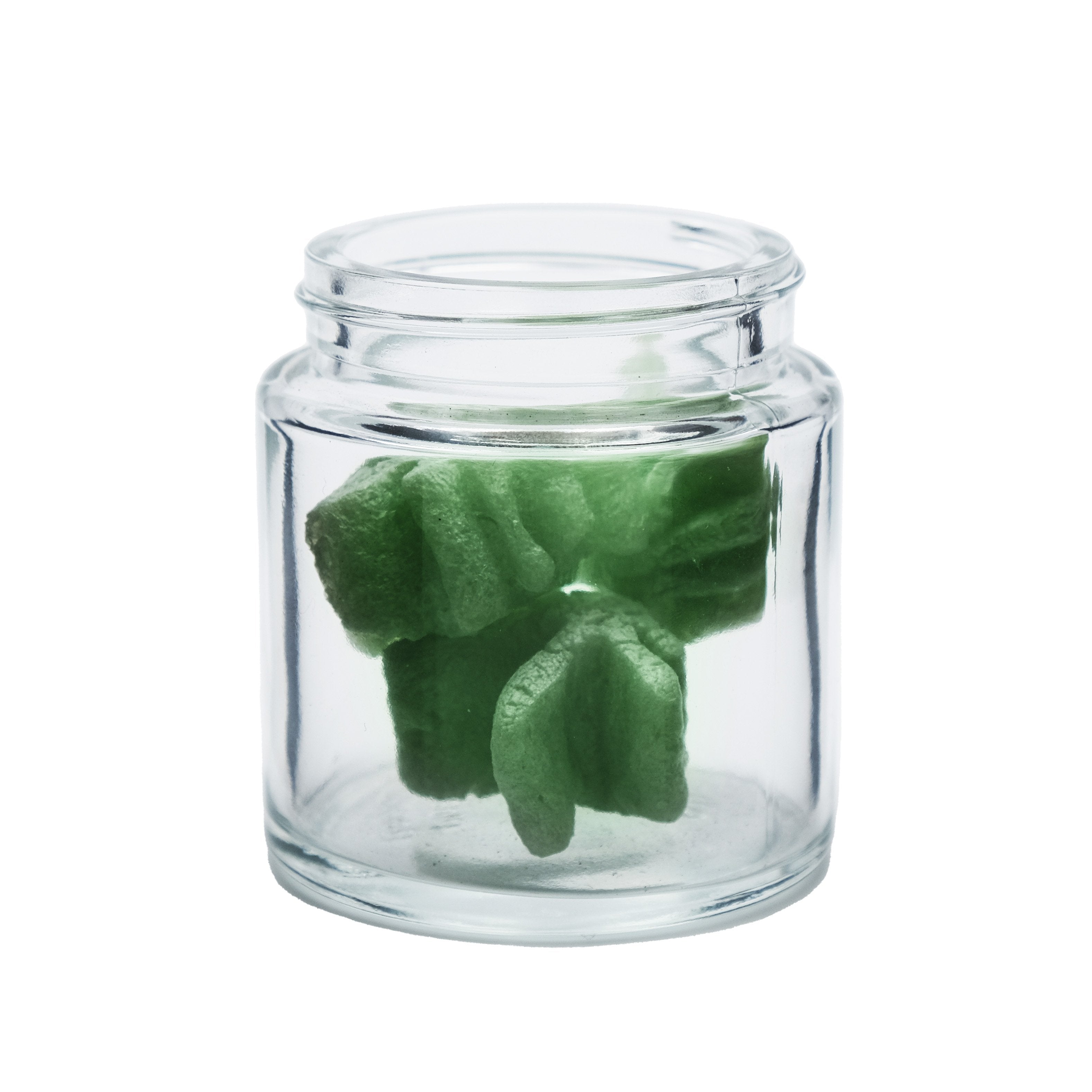
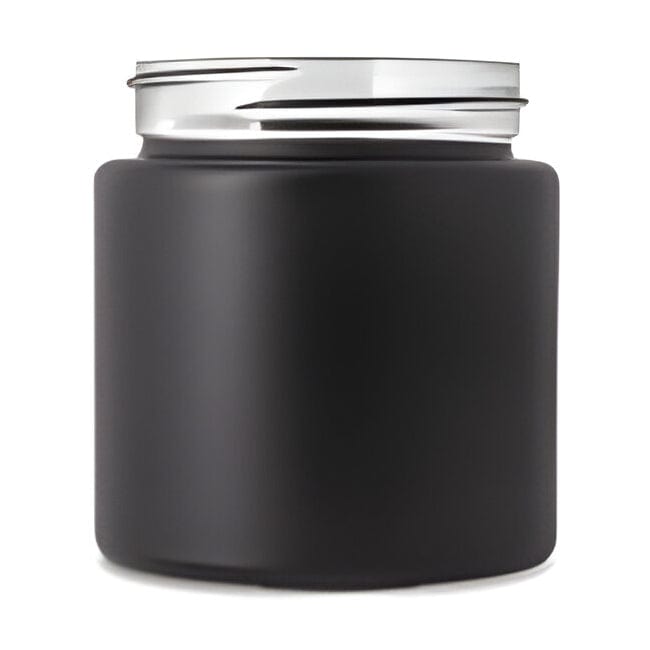
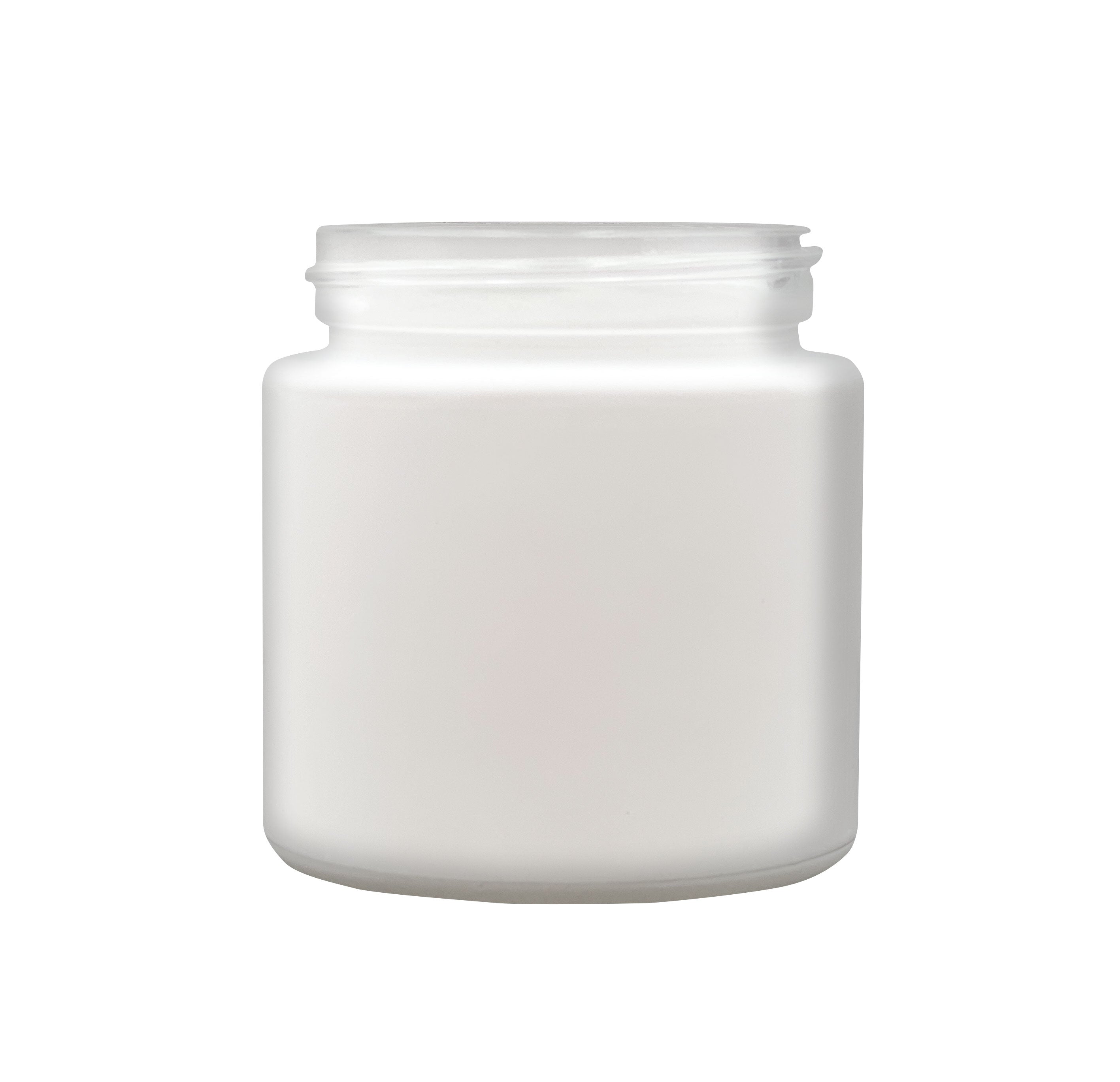




30 Dram Jars FAQ
What dry flower capacity fits 30 dram jars?
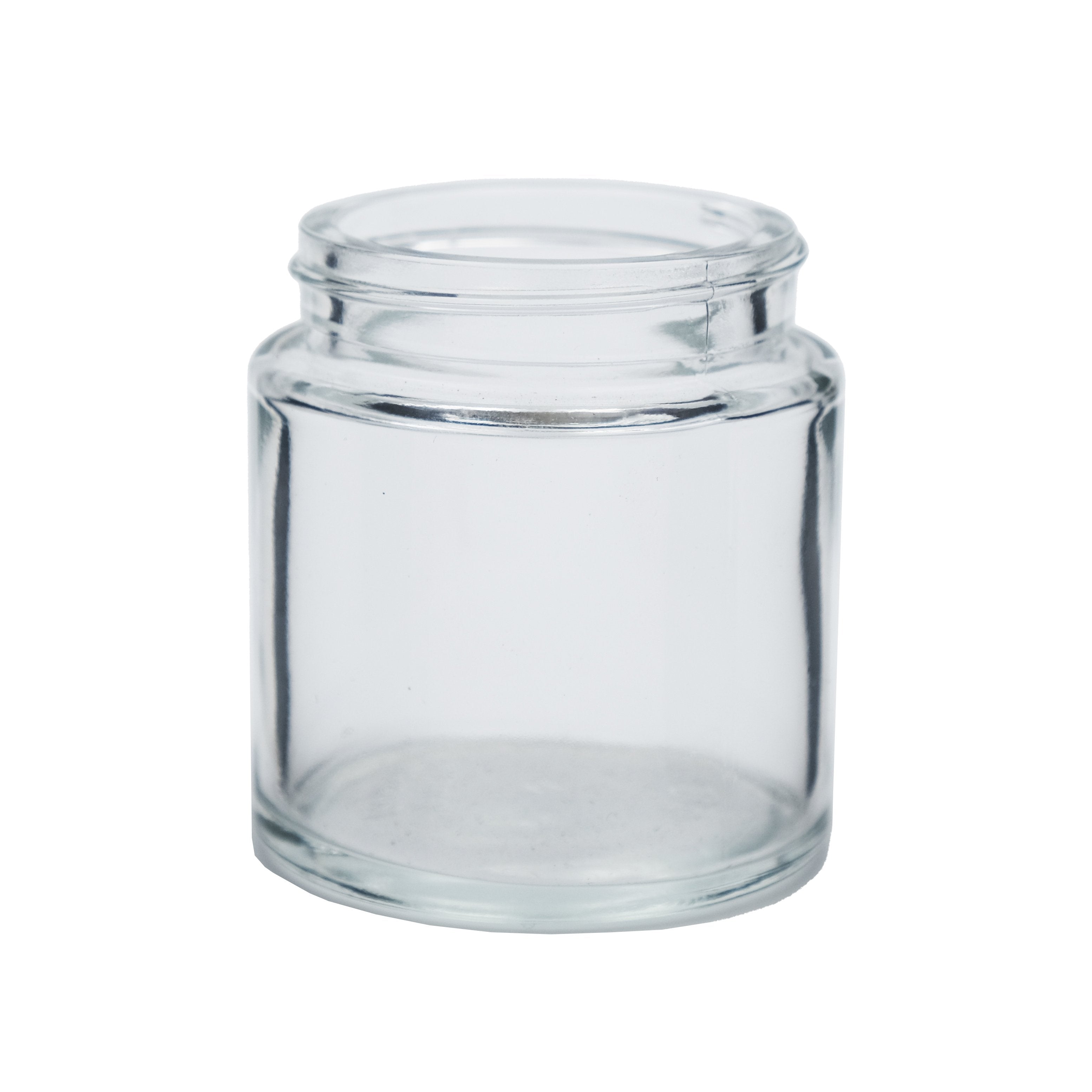
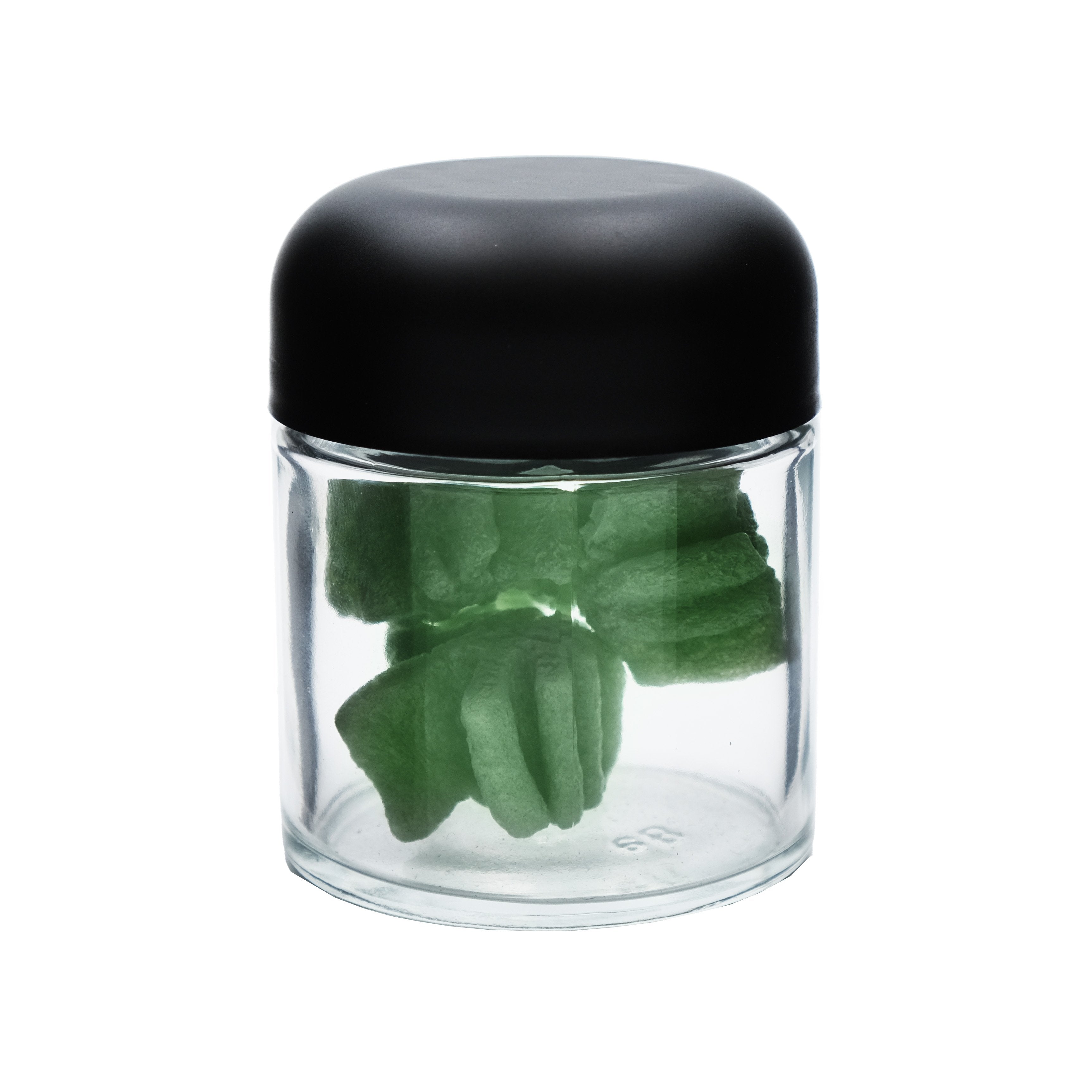
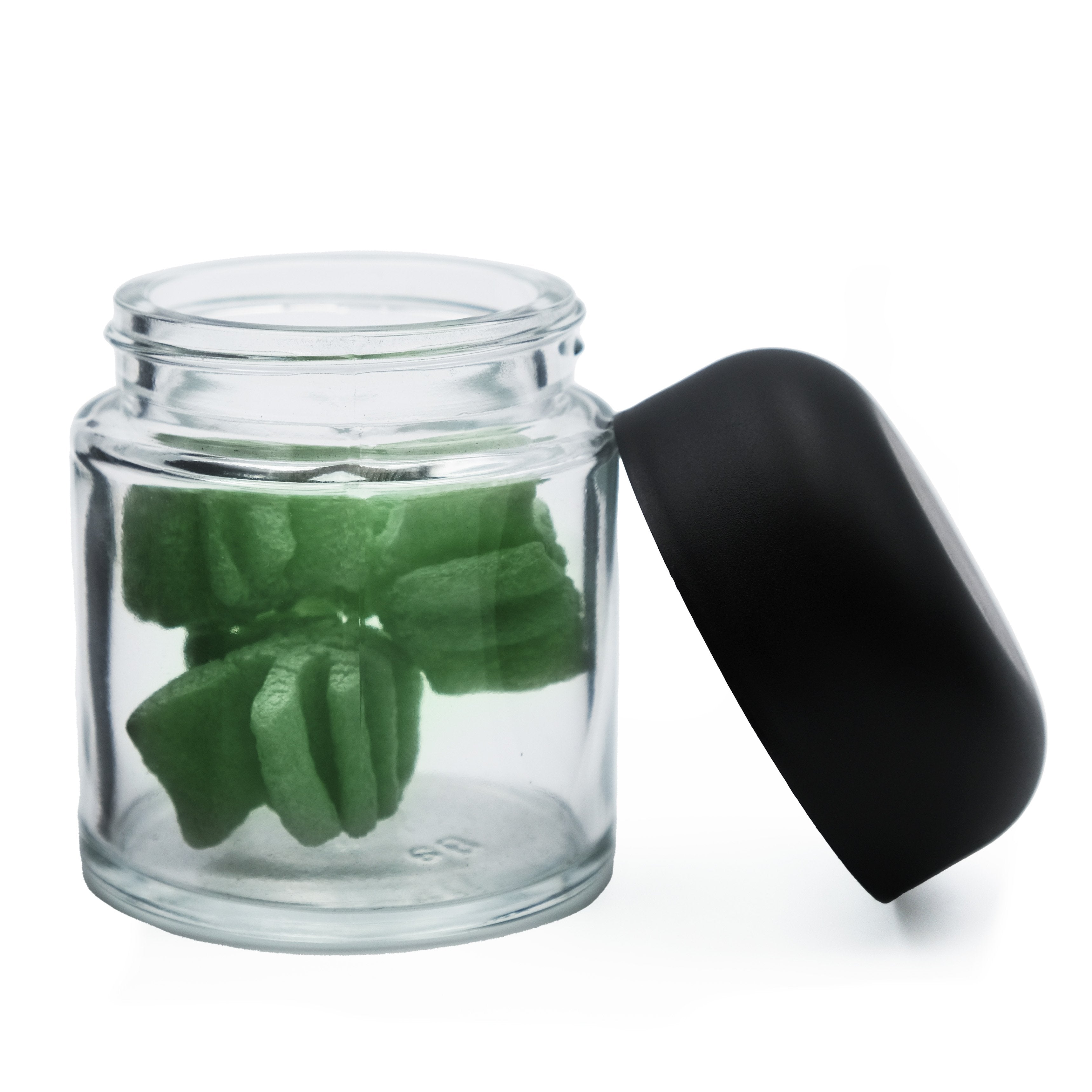
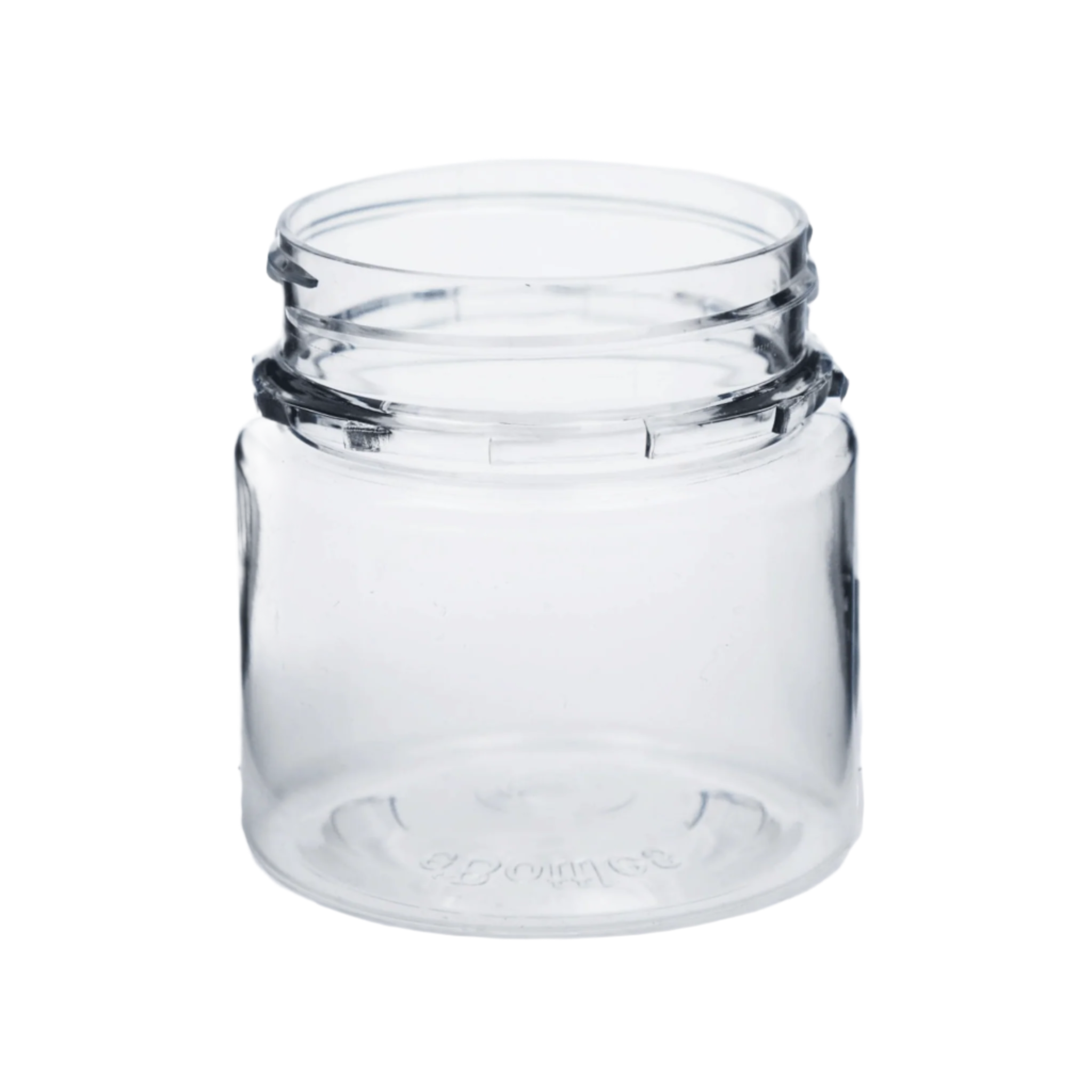
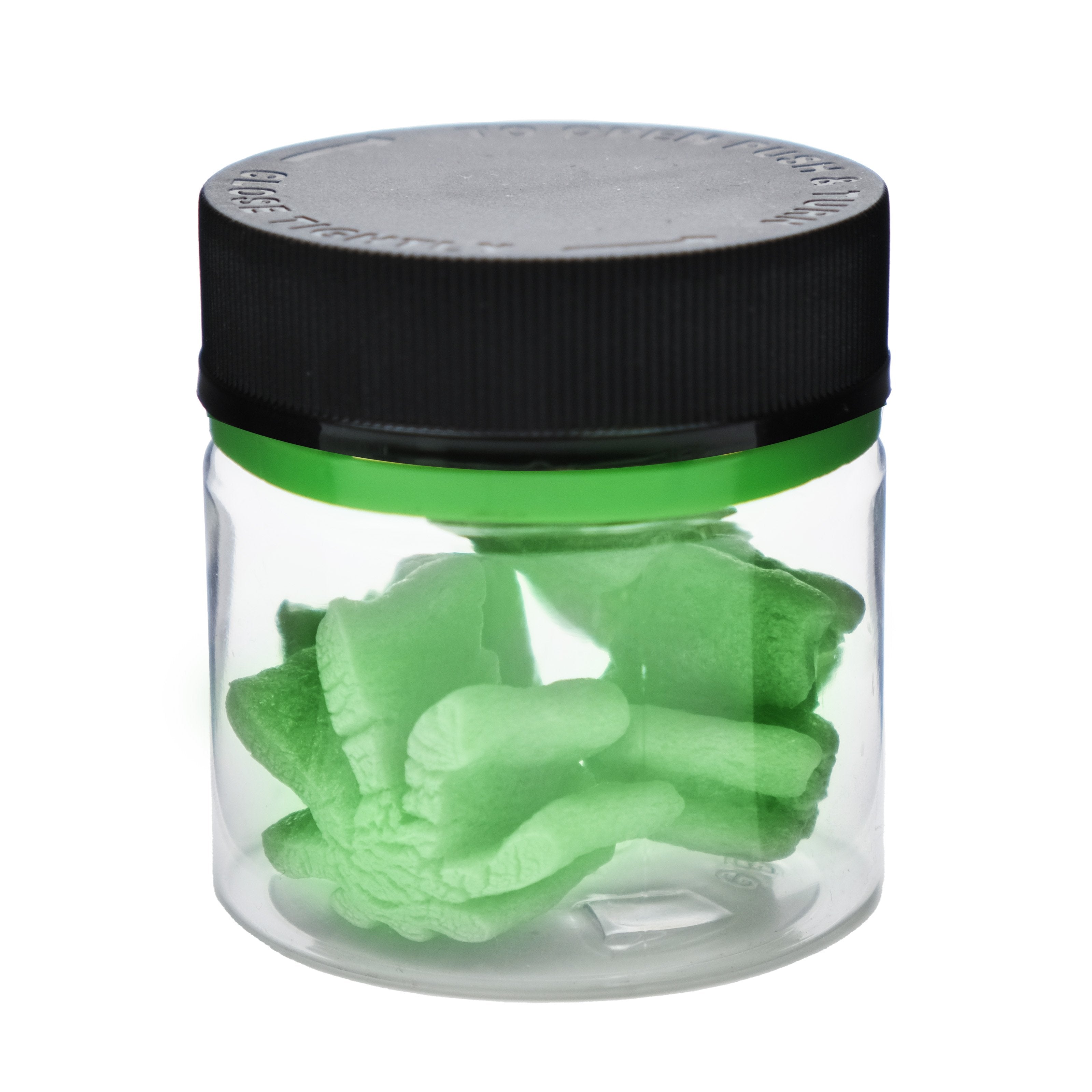
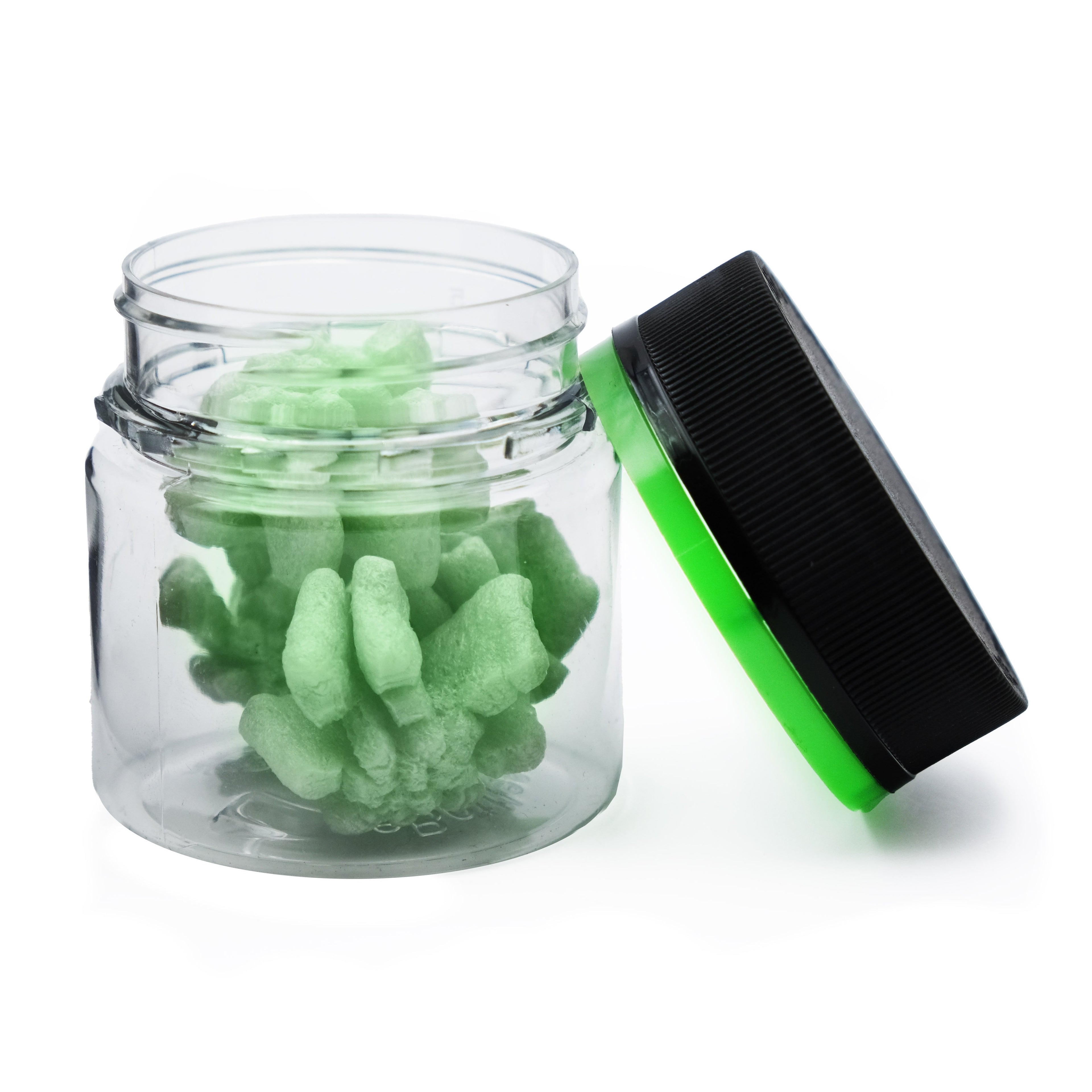
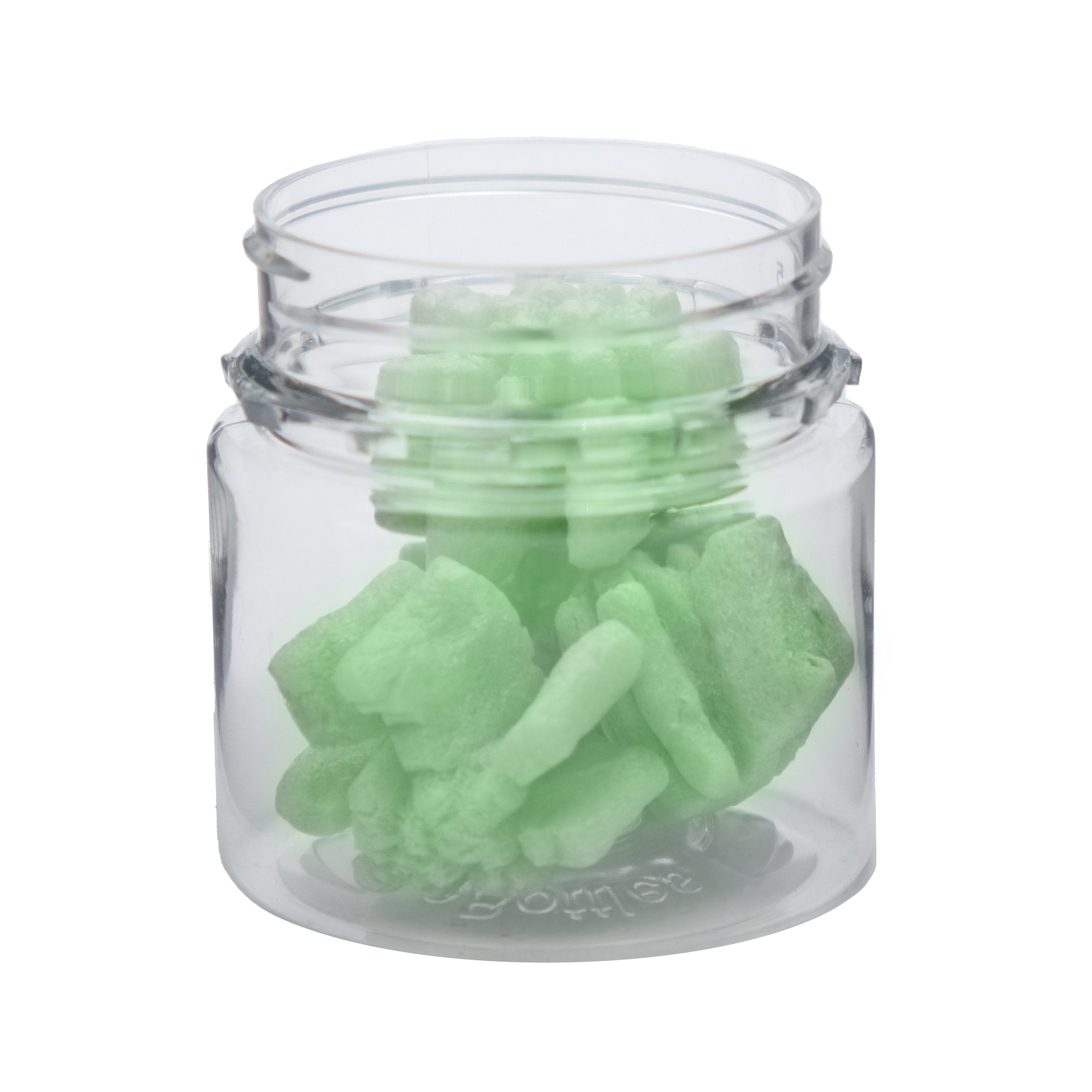
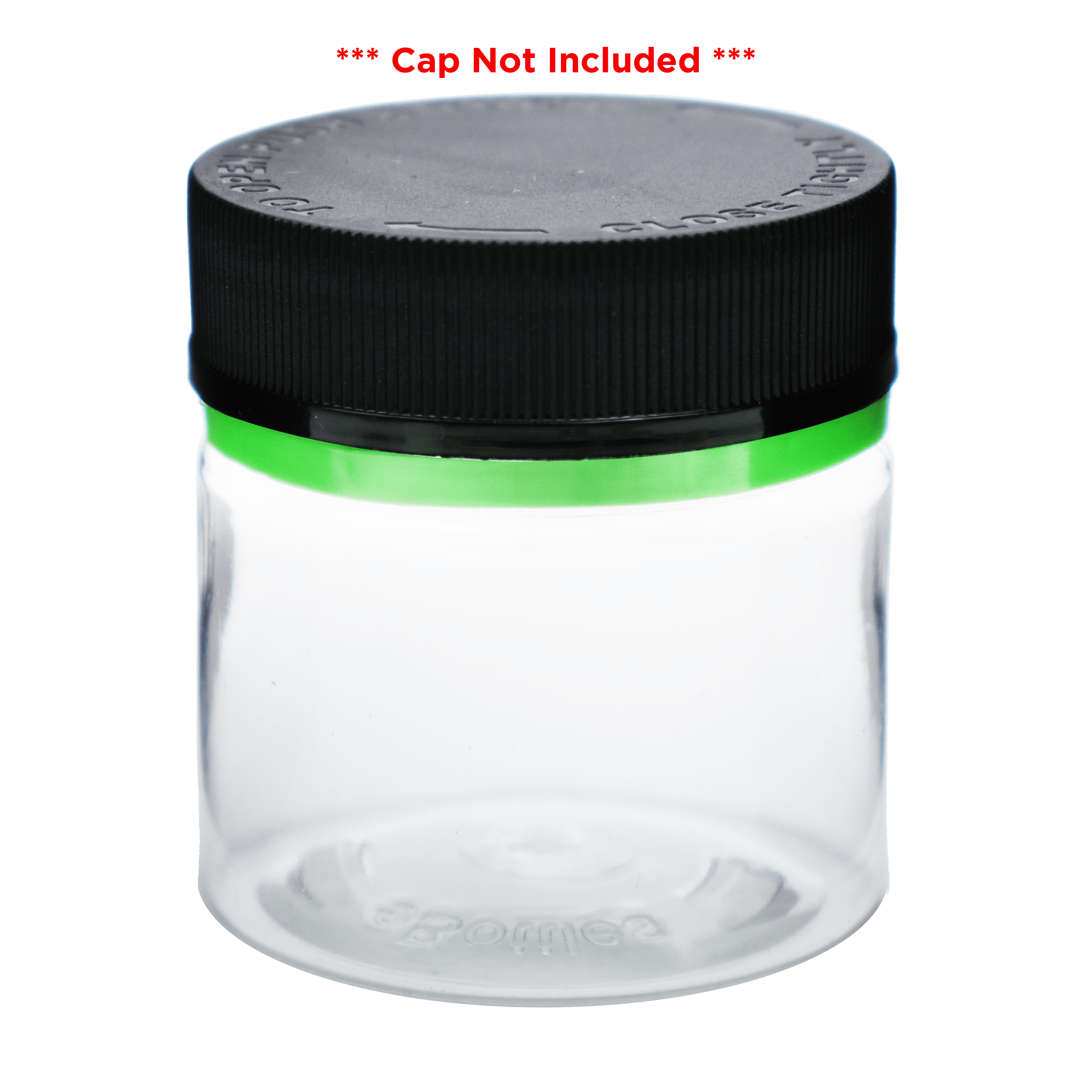
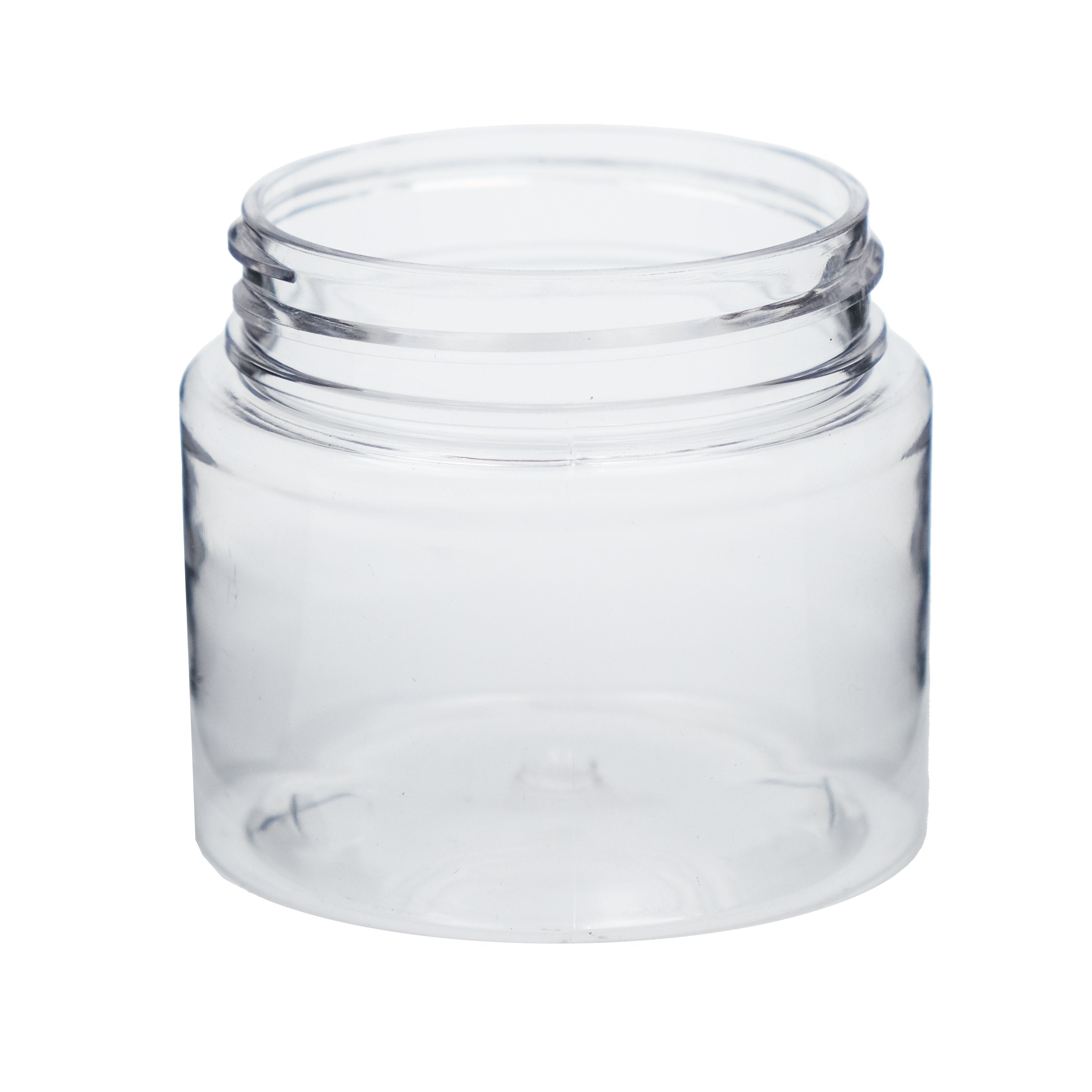
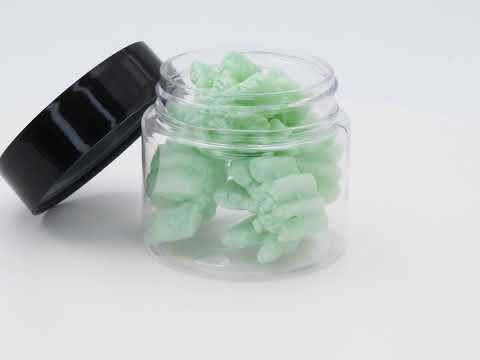
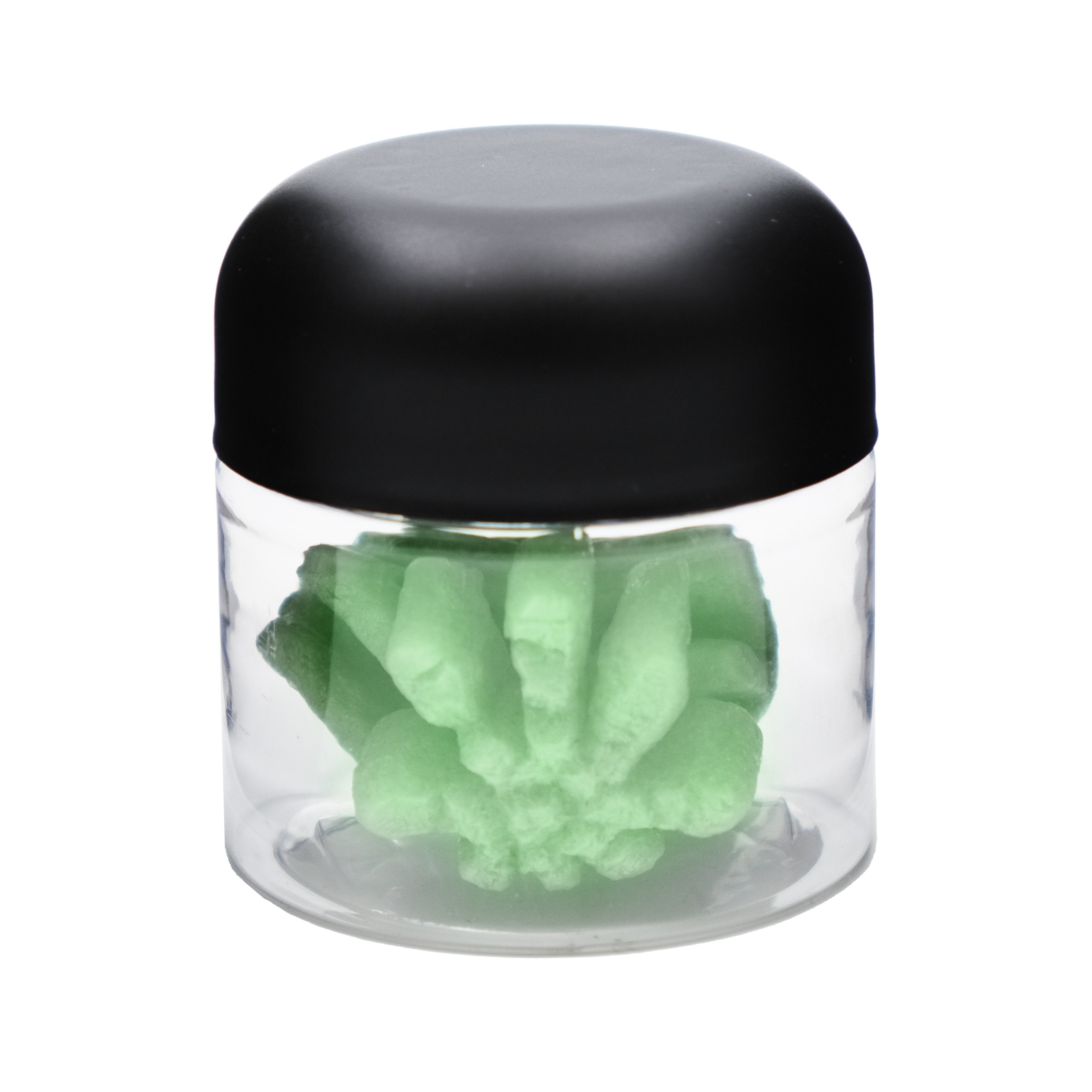
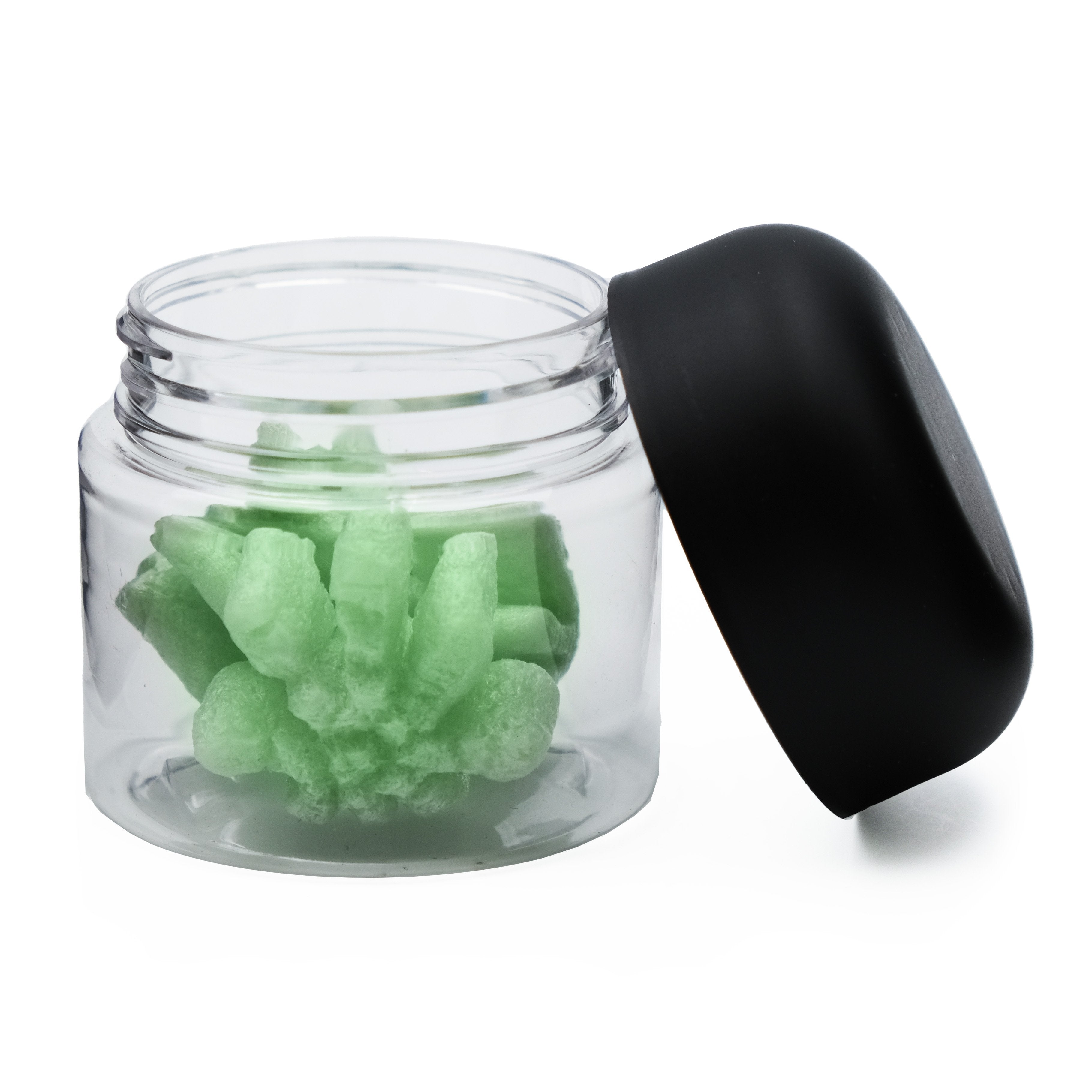
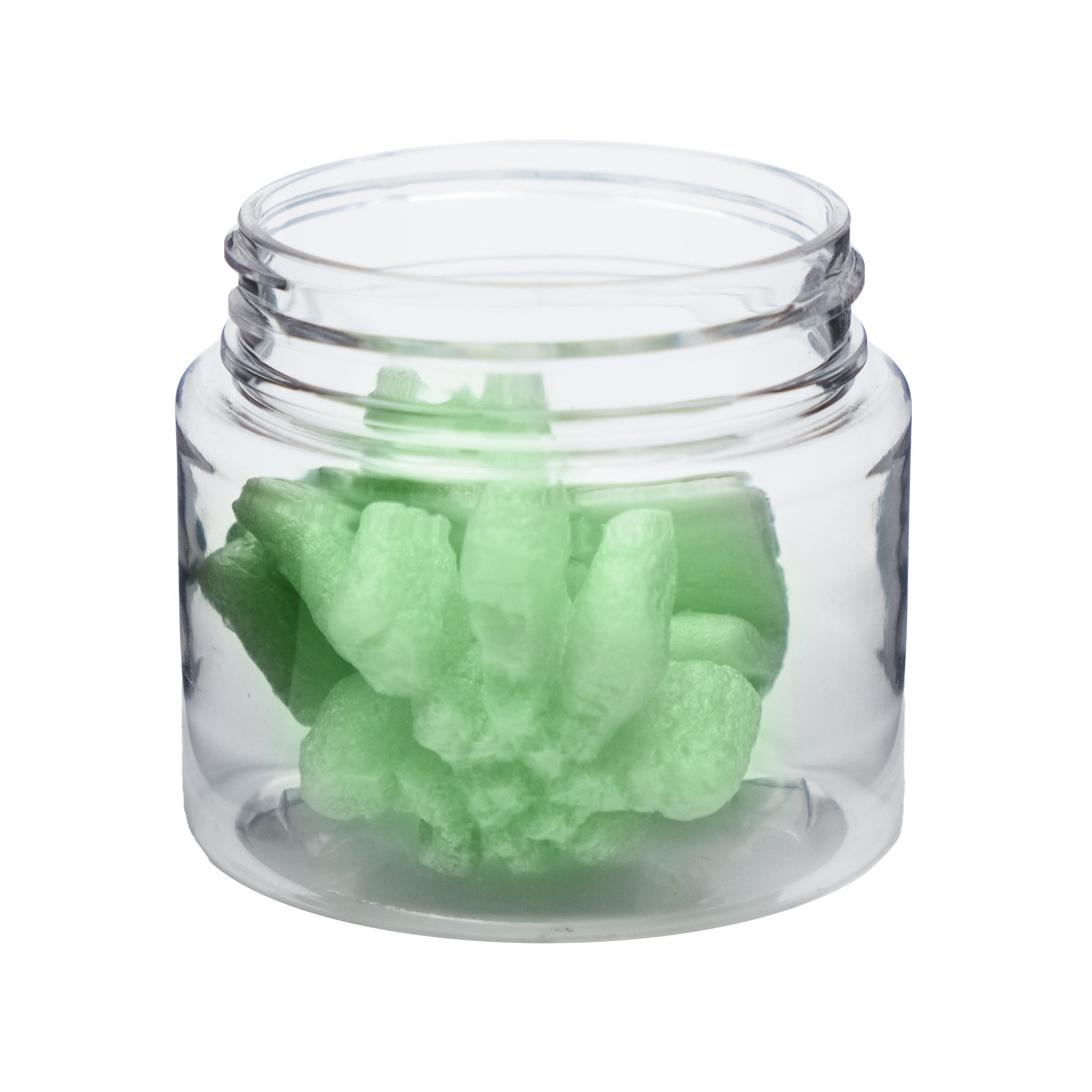
30 dram glass and plastic jars provide a 3.75 oz volumetric fluid capacity engineered to hold an eighth-ounce (3.5 grams) of dry flower. Heavy-wall Flint glass, frosted glass, and impact-resistant PET plastic options form an airtight barrier to prevent terpene loss and keep buds fresh.
To cross-reference specs before ordering, check technical specification tables inside each product listing.
- eBottles Clear & Frosted Glass Jars: Premium heavy-base glass options for top-shelf eighth dispensary presentation and automatic filling lines.
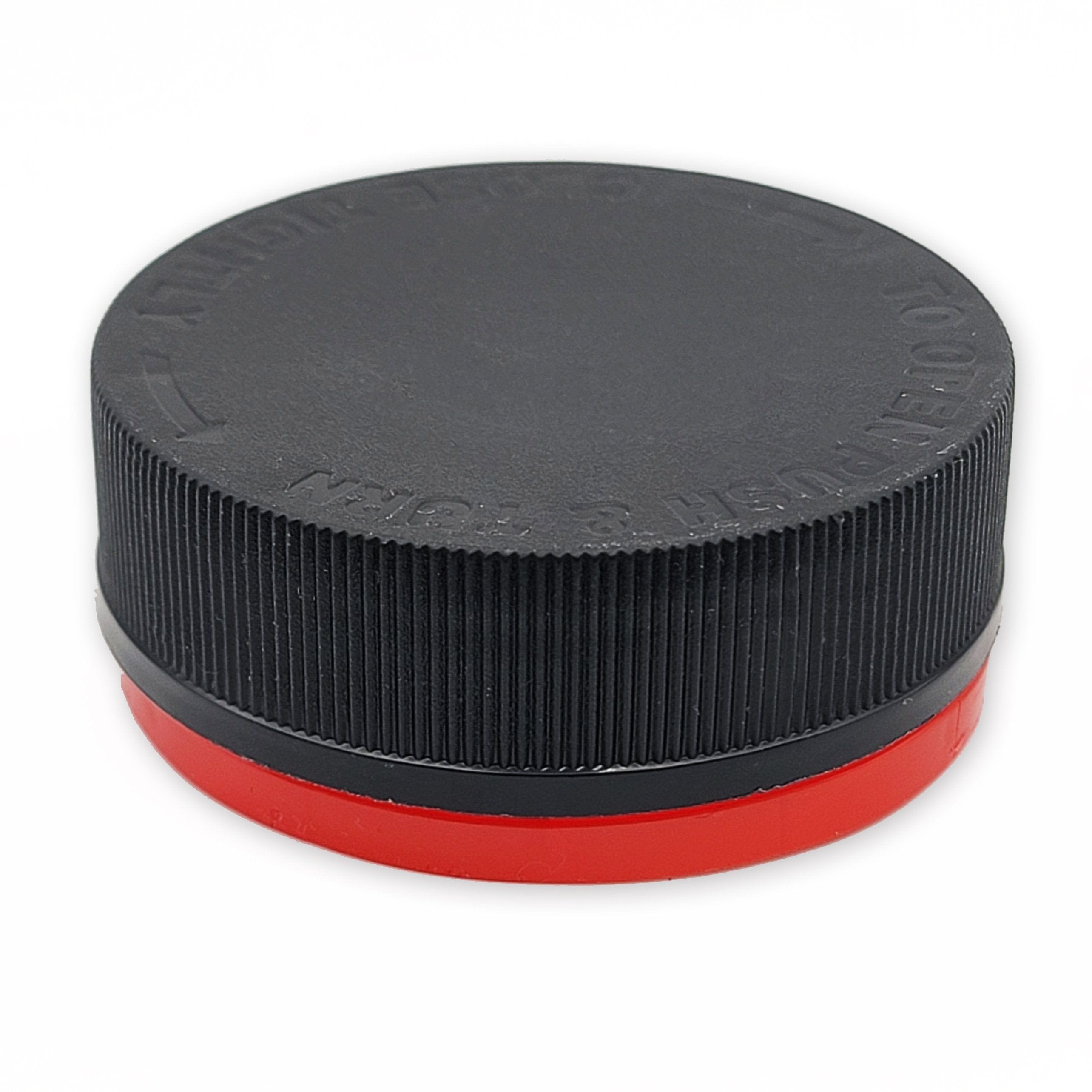
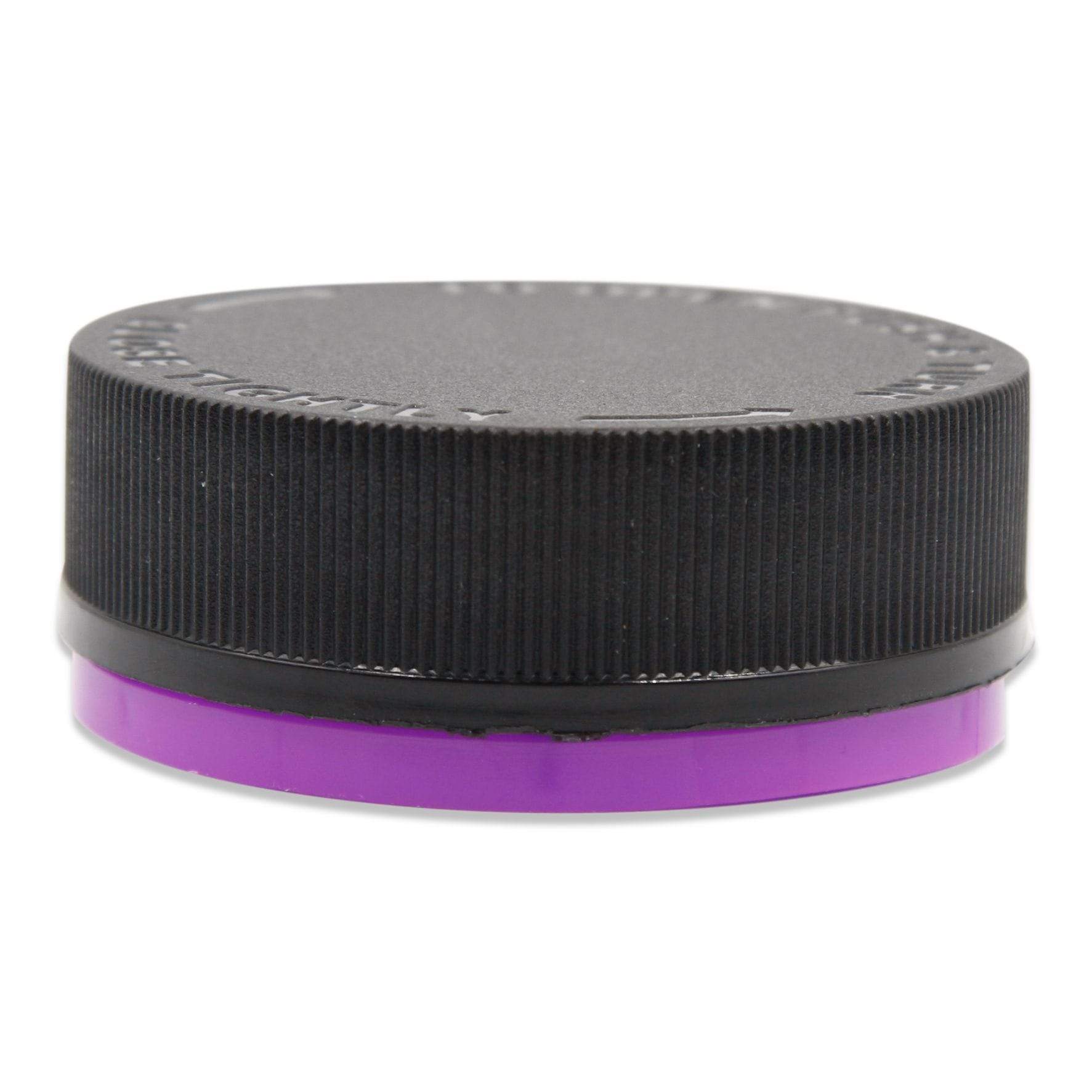
- eBottles PET Plastic Jars & Bundles: Shatterproof PET jars, including pre-bundled options with tamper-evident tear rings for rapid distribution.
- Grand Puff 30 Dram Glass Jars: Heavy-wall glass containers built for standard 53/400 thread finish continuous-thread caps.
What cap finish fits 30 dram glass and PET jars?
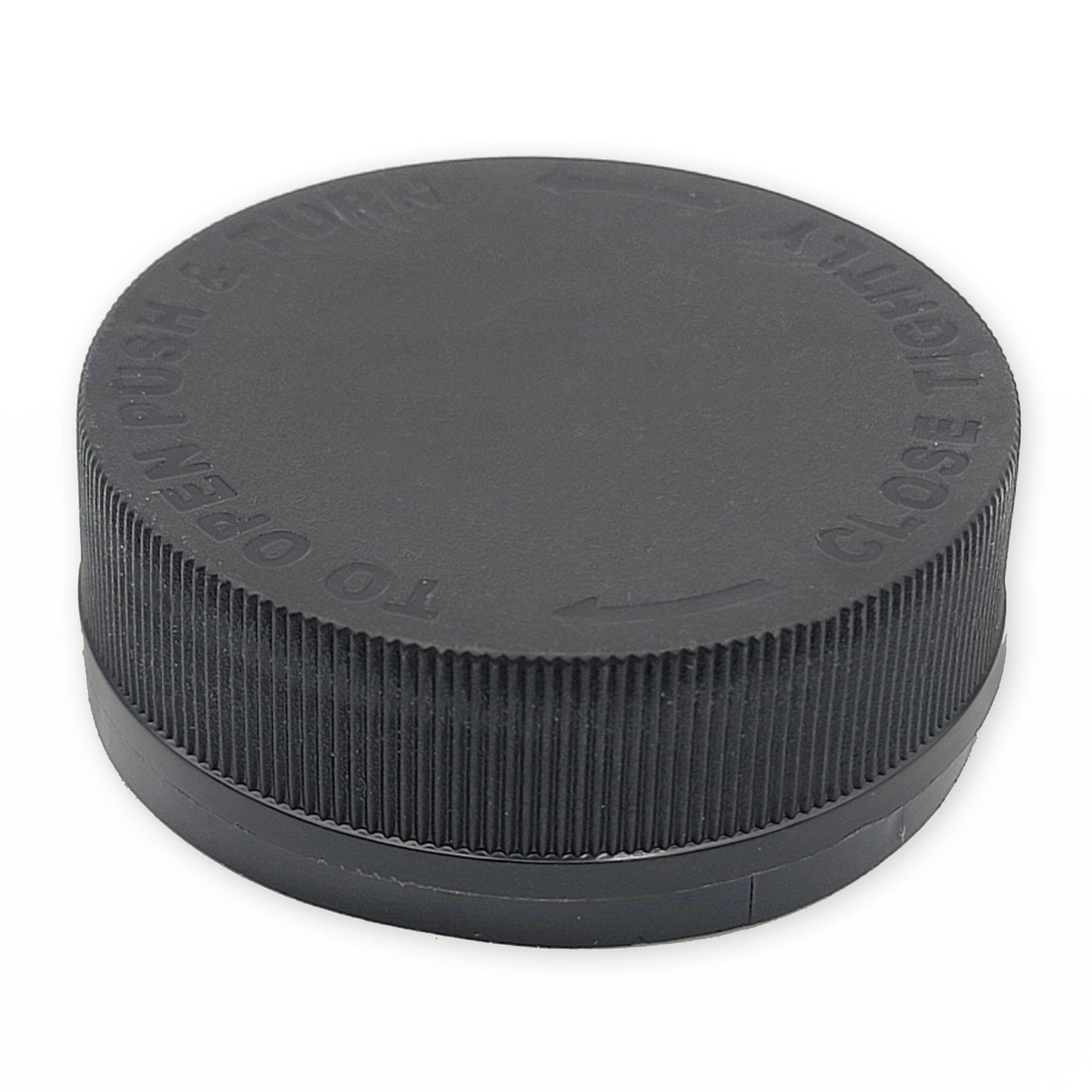
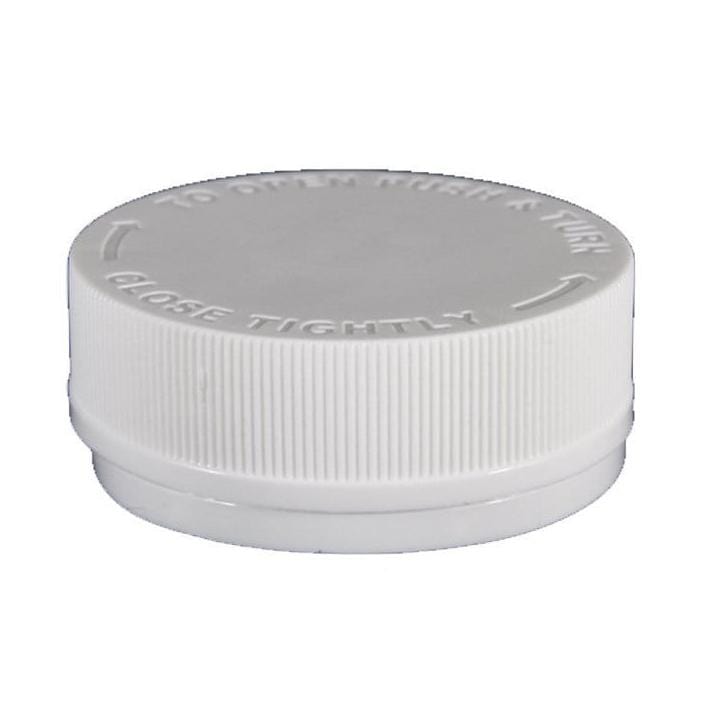
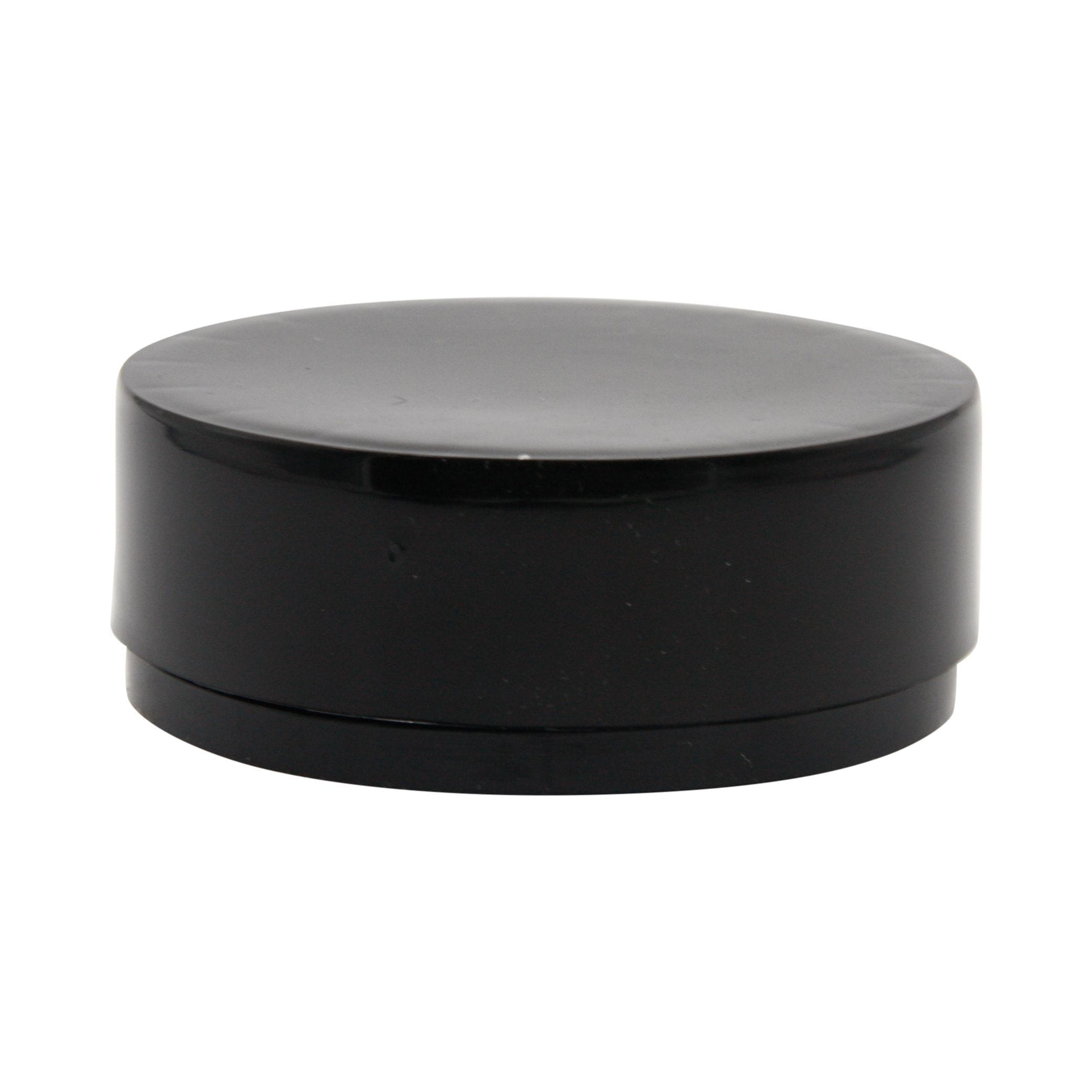
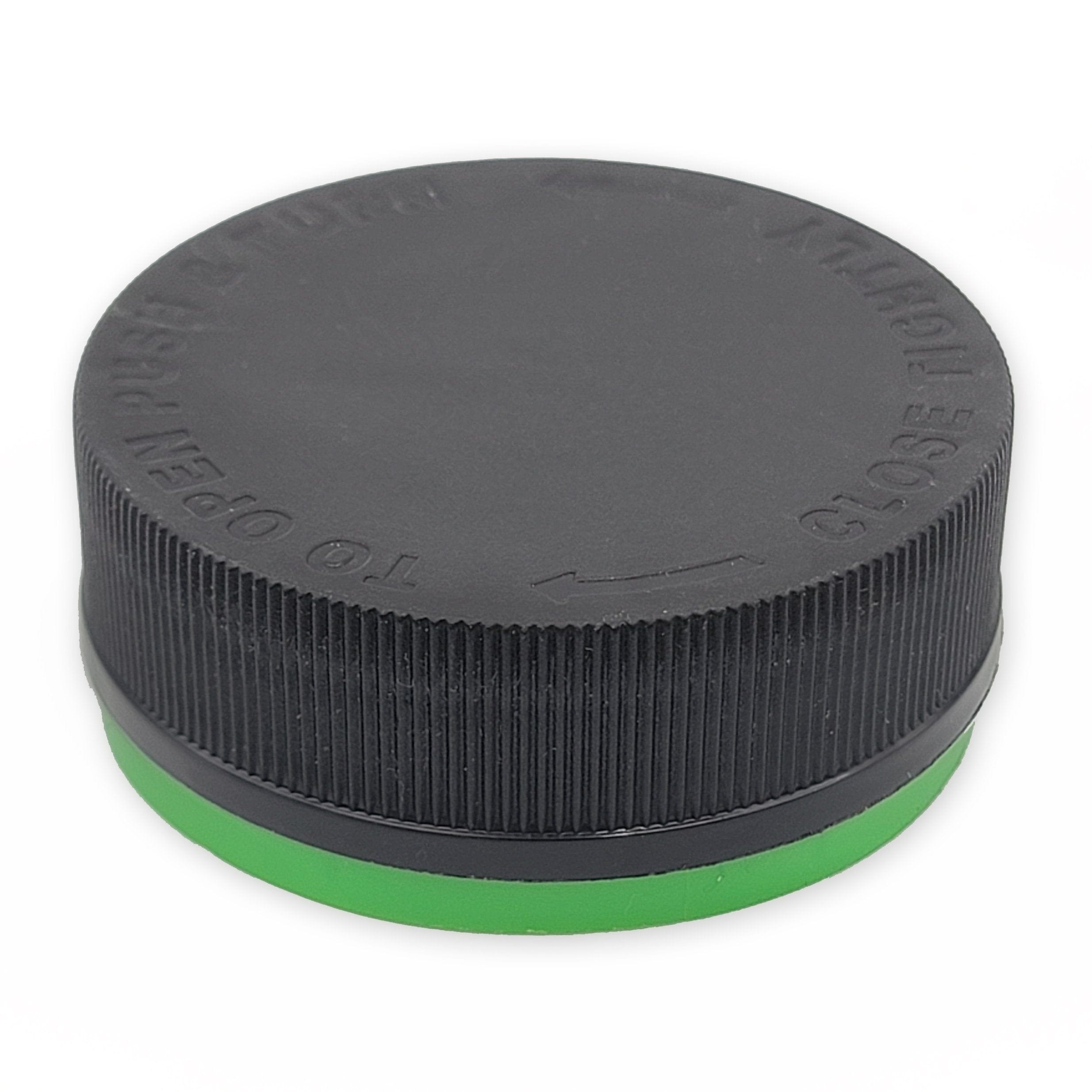
30 dram glass and PET jars feature a 53/400 thread finish and require separate continuous-thread caps unless purchased as a bundle. Pairing these straight-sided bases with 53/400 push-and-turn child-resistant caps satisfies Title 16 CFR 1700.20 and ASTM D3475 safety standards.
Browse compatible closures in our 53mm Caps Collection, verify dimensions on our Flower Jar Sizing Chart, or check state packaging rules via our State Compliance Regulations Guide.
Why choose straight sided jars for automated labeling lines?
Straight-sided 30 dram jars feature zero body taper, which prevents labels from wrinkling or going crooked on wrap labelers. Smooth cylindrical walls allow pressure-sensitive labeling equipment to apply branding and state compliance text cleanly without line jams.
Explore pre-applied label application options through our In-House Label Application Service.
What case quantities and shipping options are available?
Inventory ships directly from our local Sacramento warehouse so clients can access single units, standard split packs, or master wholesale cases without minimum constraints. Local warehouse stocking eliminates long factory lead times and keeps commercial filling lines operating continuously.