
Jars | 1 Gram
1 Gram Jars FAQ
What materials are available for 1 gram concentrate jars?
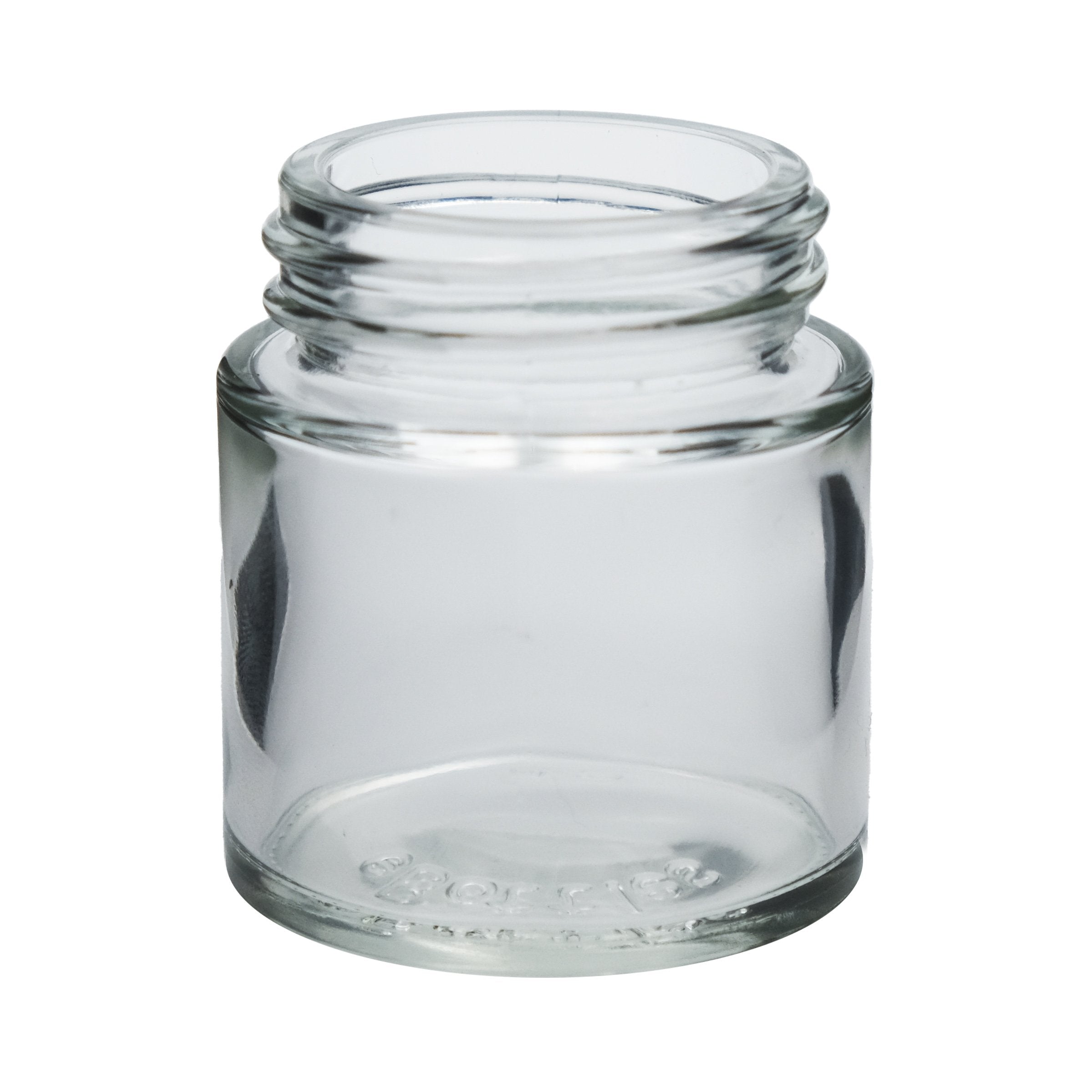
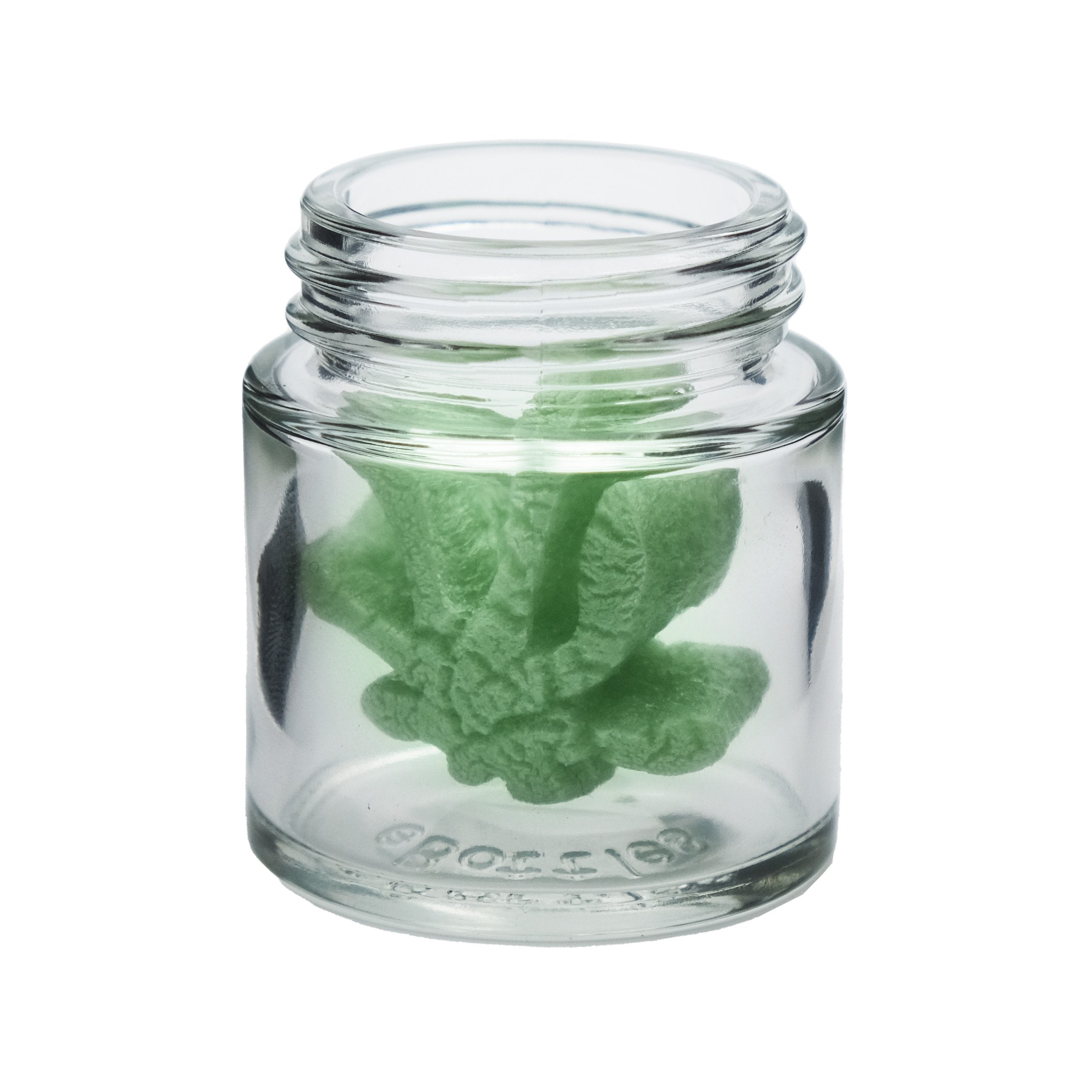
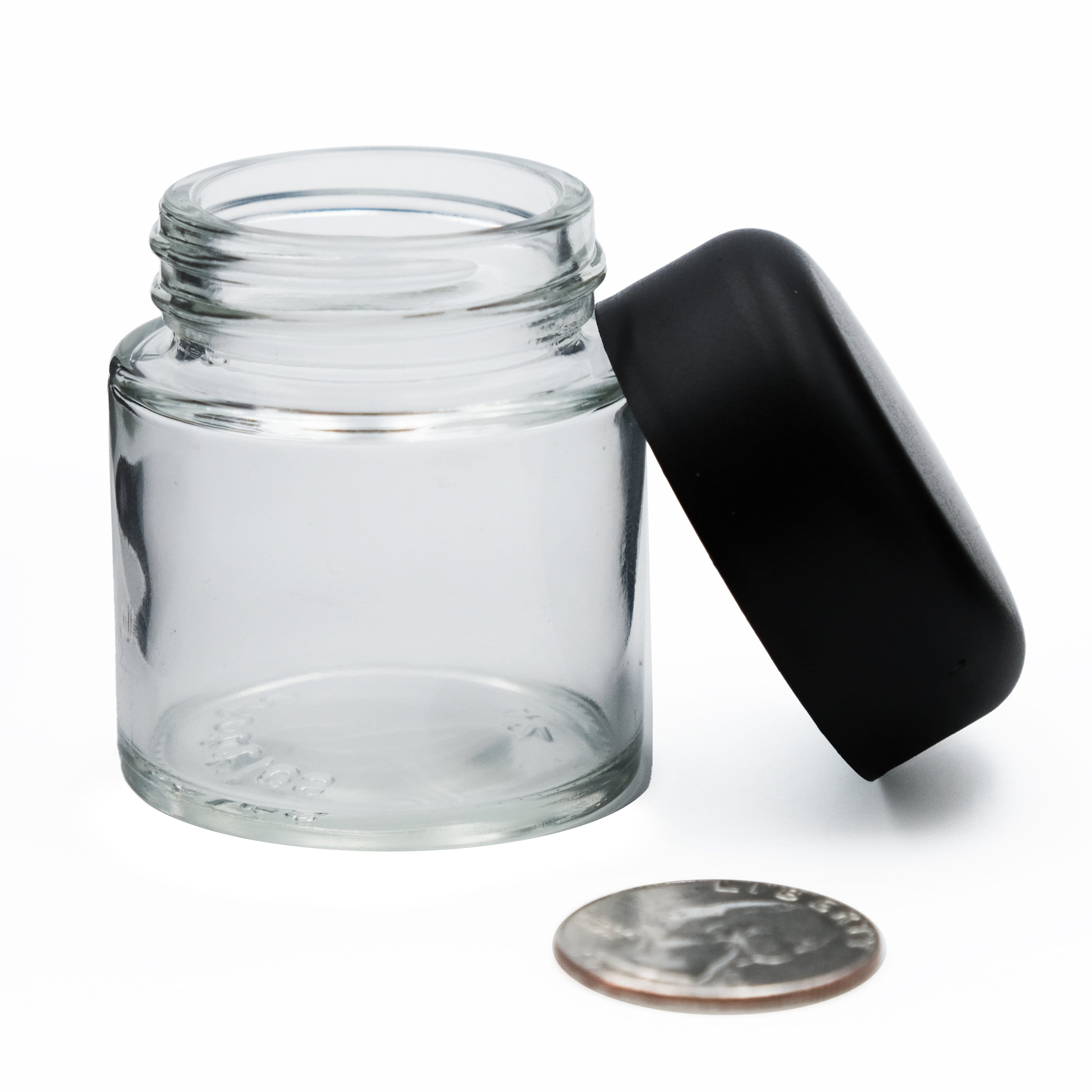
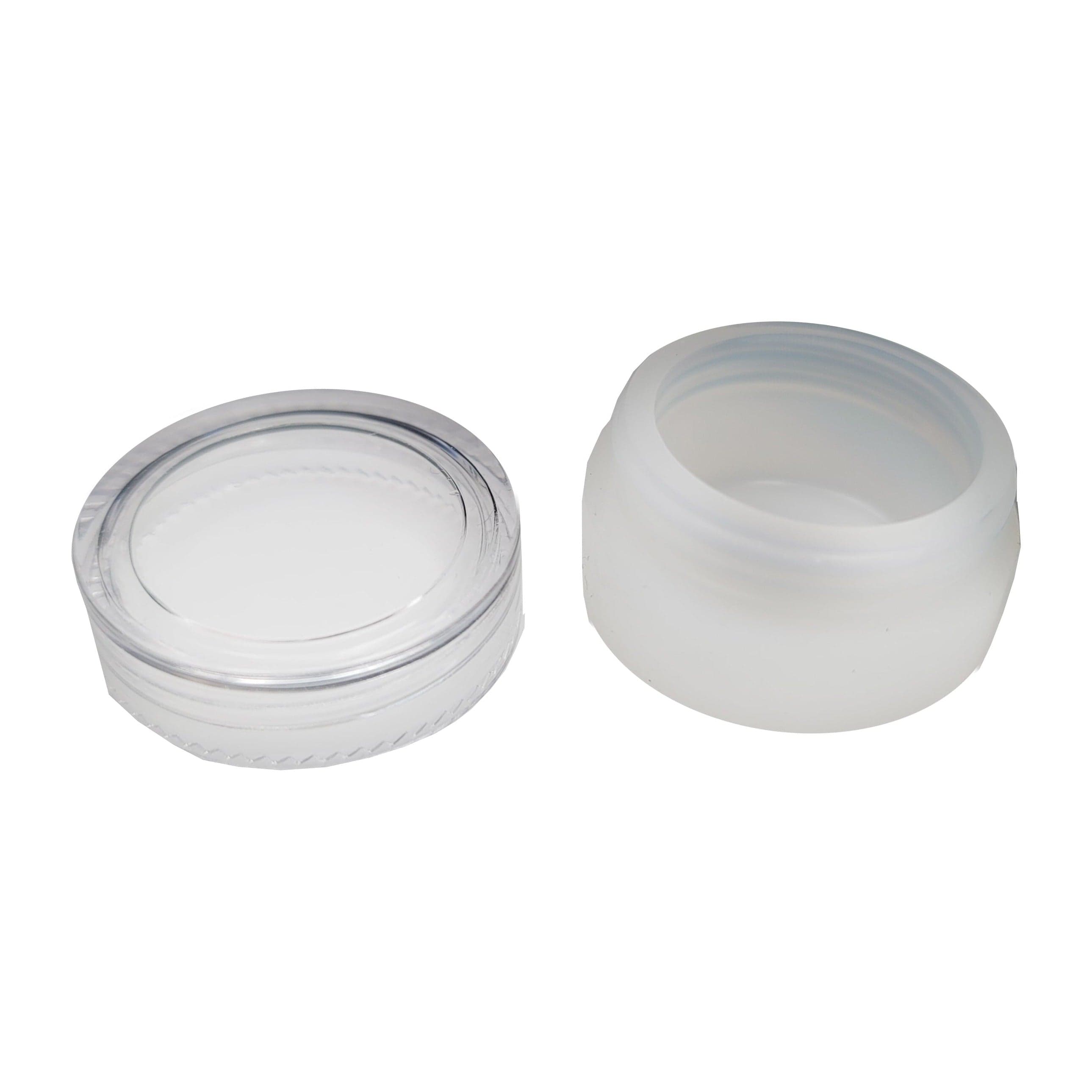
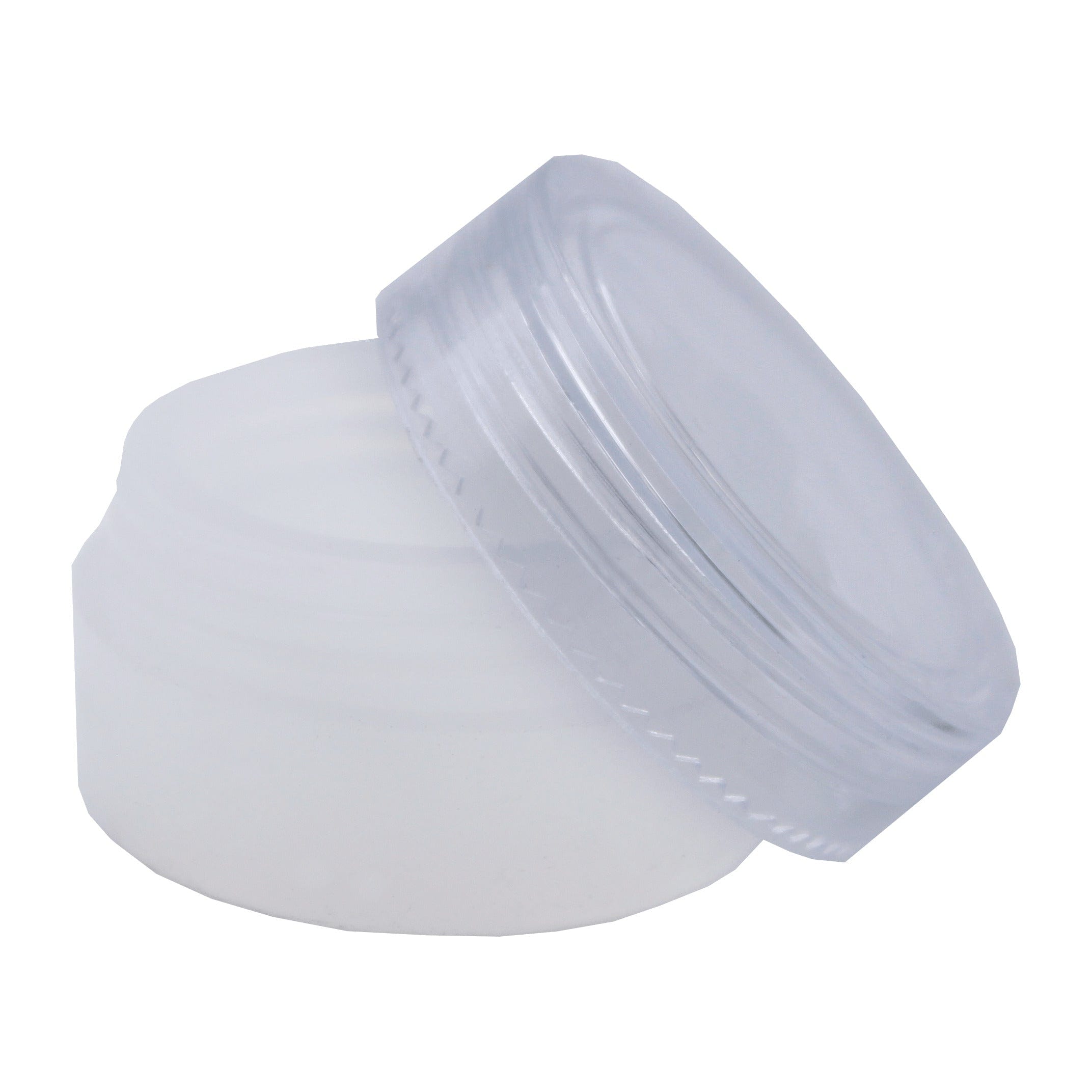
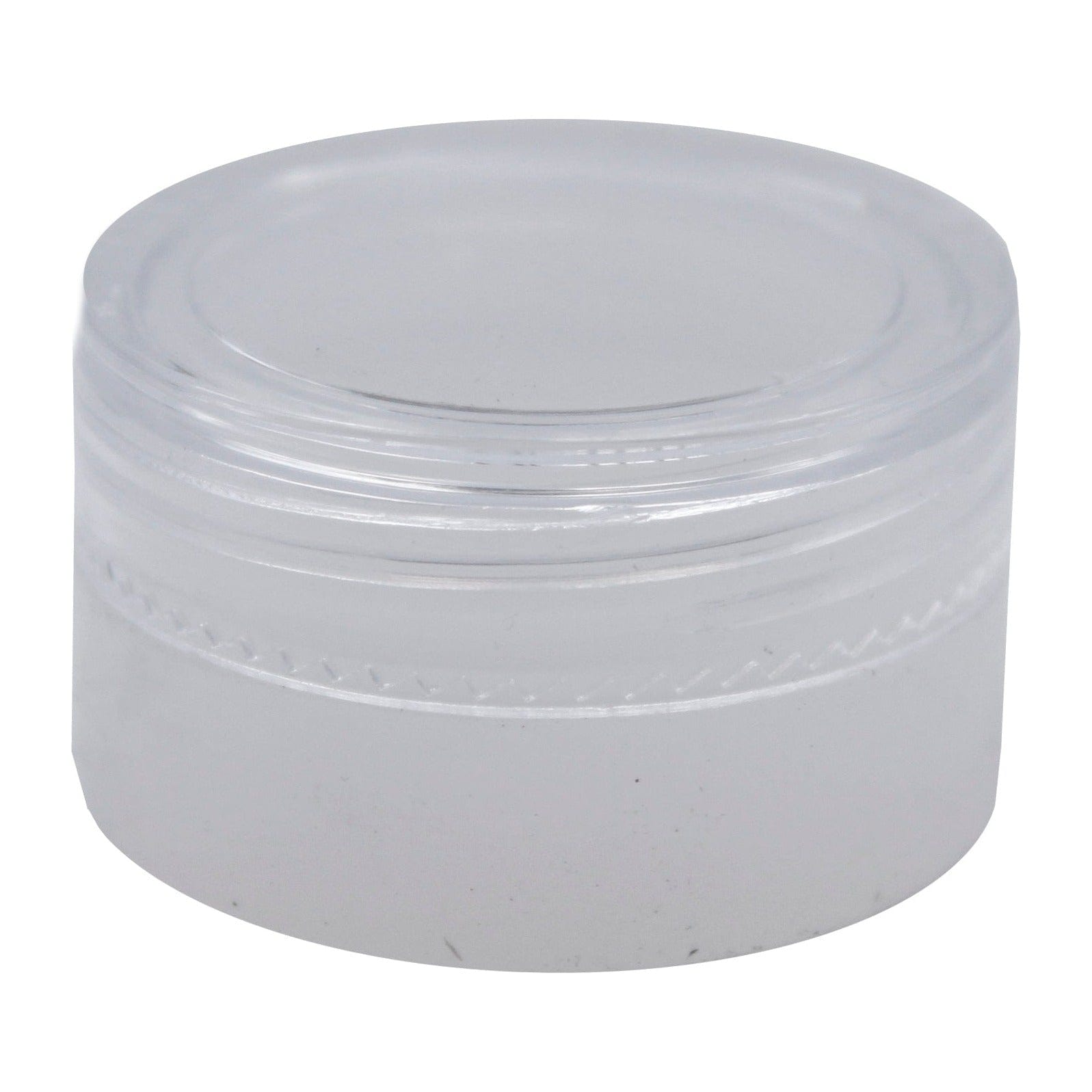
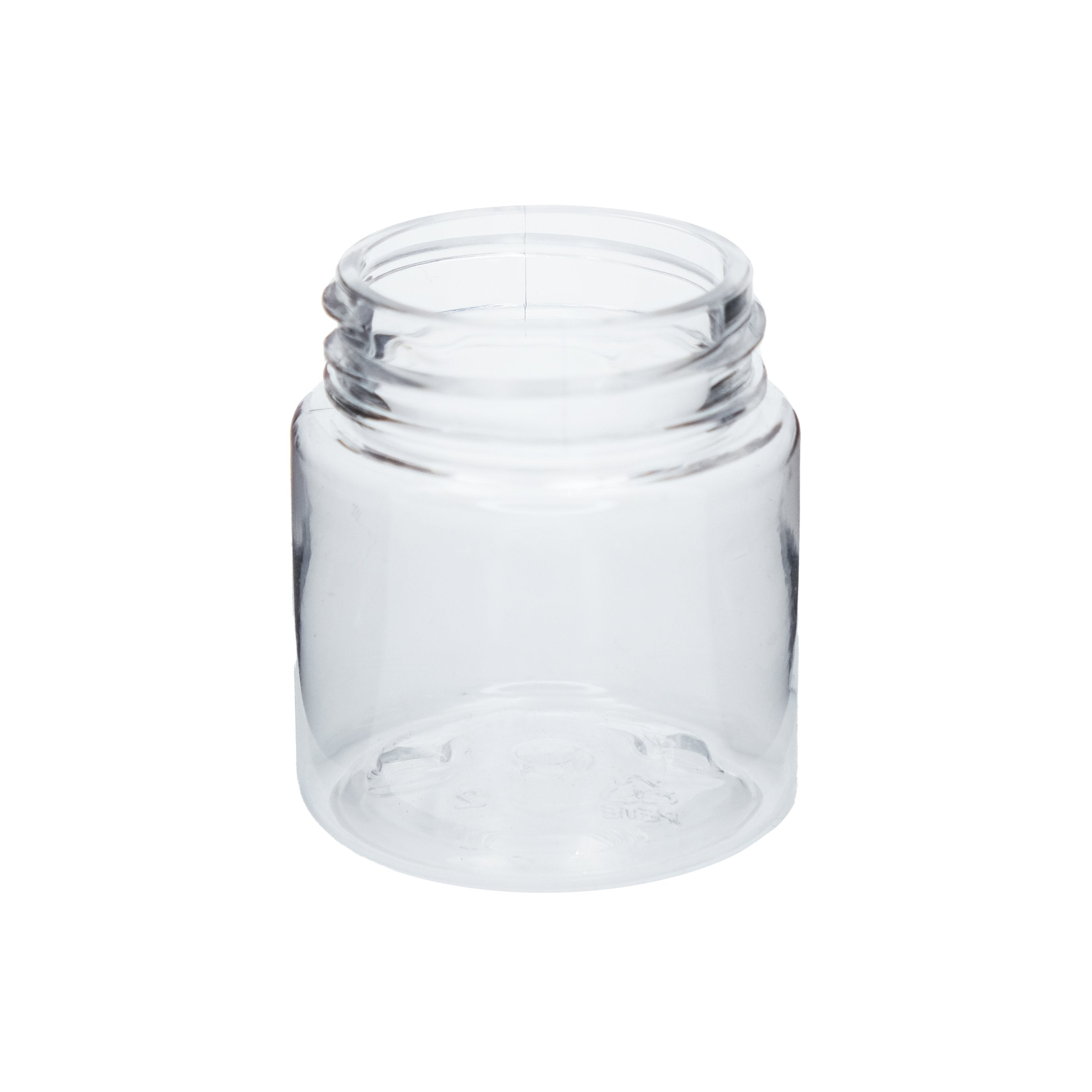
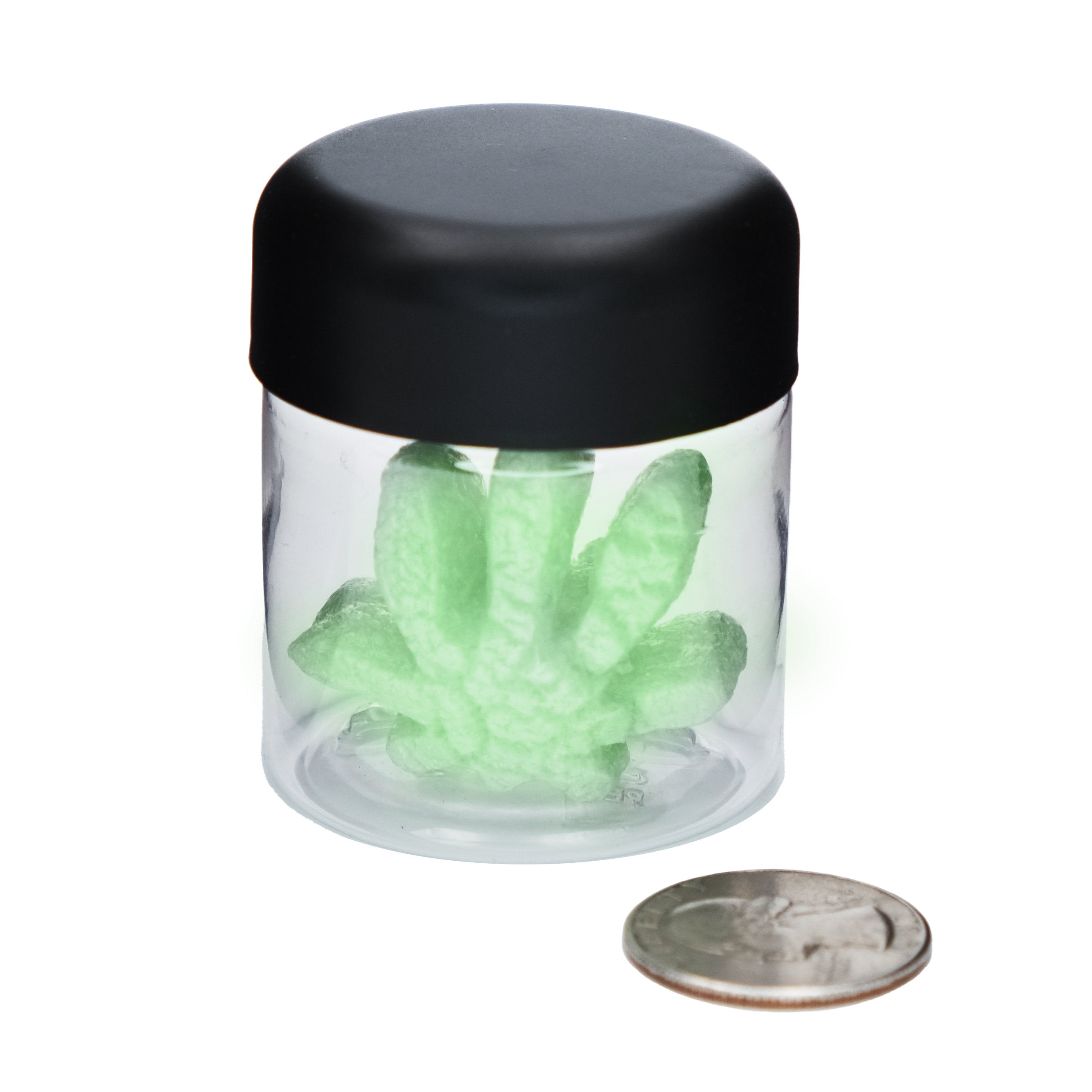
1 gram concentrate jars come in heavy-wall Flint glass, impact-resistant PET plastic, and food-grade 7ml non-stick silicone. Glass and PET jars provide non-reactive chemical barriers for wet rosin, badder, or sauce, while silicone jars offer flexible non-stick storage for wax and shatter.
To cross-reference specs before ordering, check technical specification tables inside each product listing.
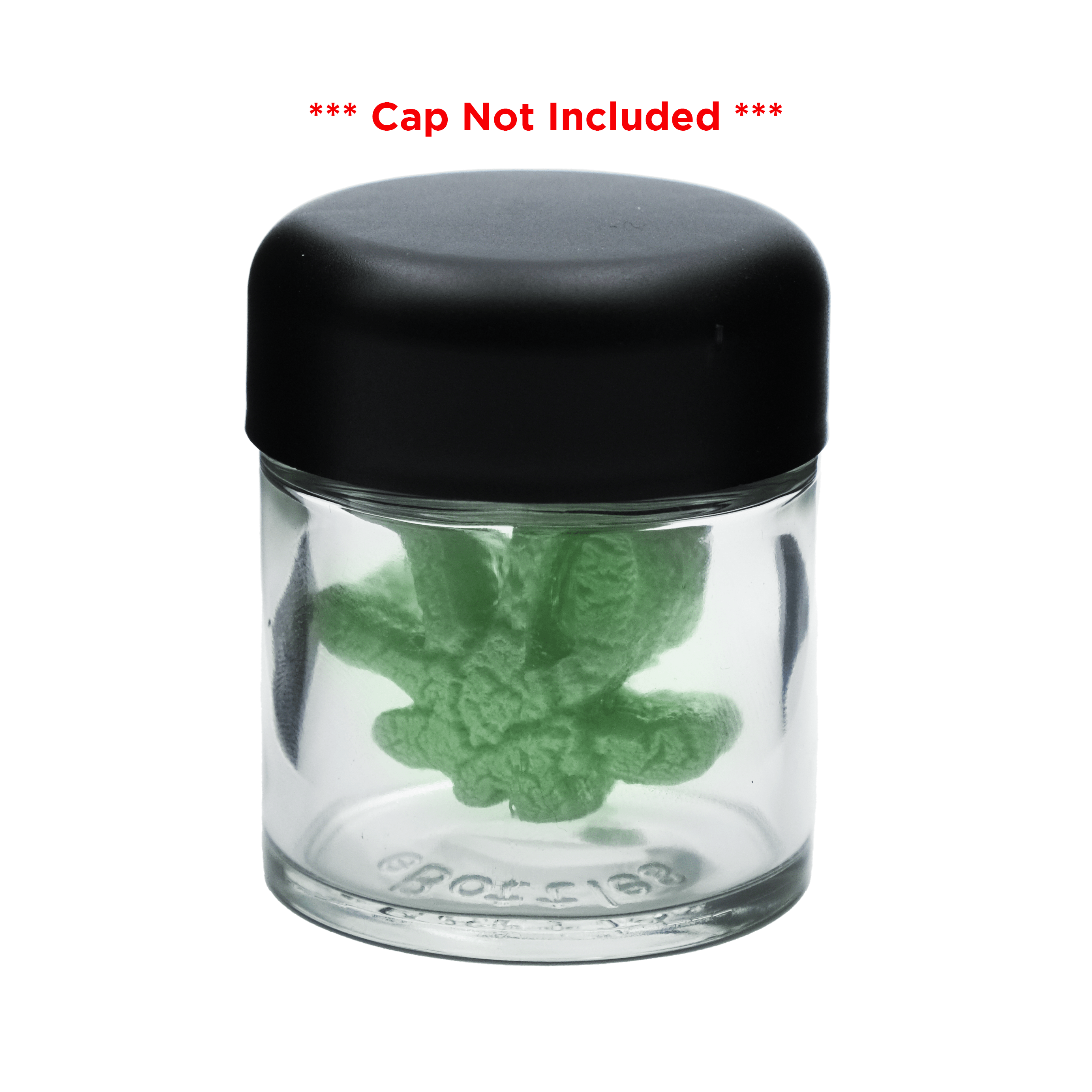
- eBottles Glass Straight Sided Jars (1g): Heavy glass containers built for terpene-rich live rosin and distillate extracts.
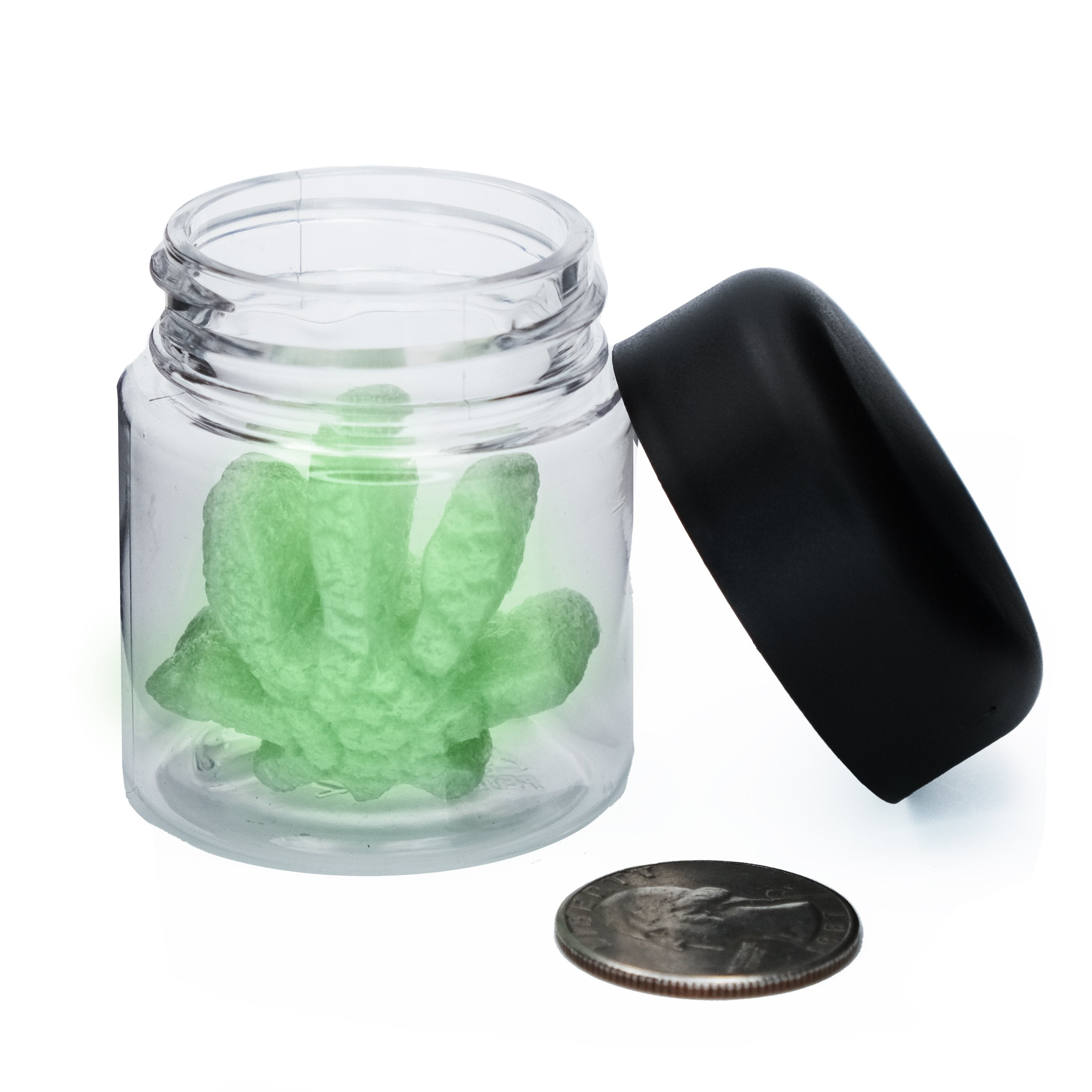
- eBottles PET Straight Sided Jars (1g): Shatterproof PET plastic jars for low-cost distribution and shipping.
- Silicone Concentrate Containers (7ml / 1g): Food-grade silicone tubs featuring an integrated non-stick lid for easy dab access.
Do 1 gram glass and PET jars include caps?
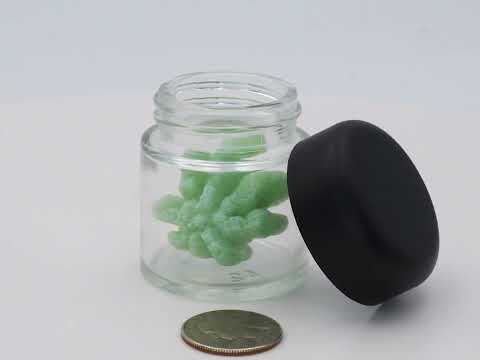
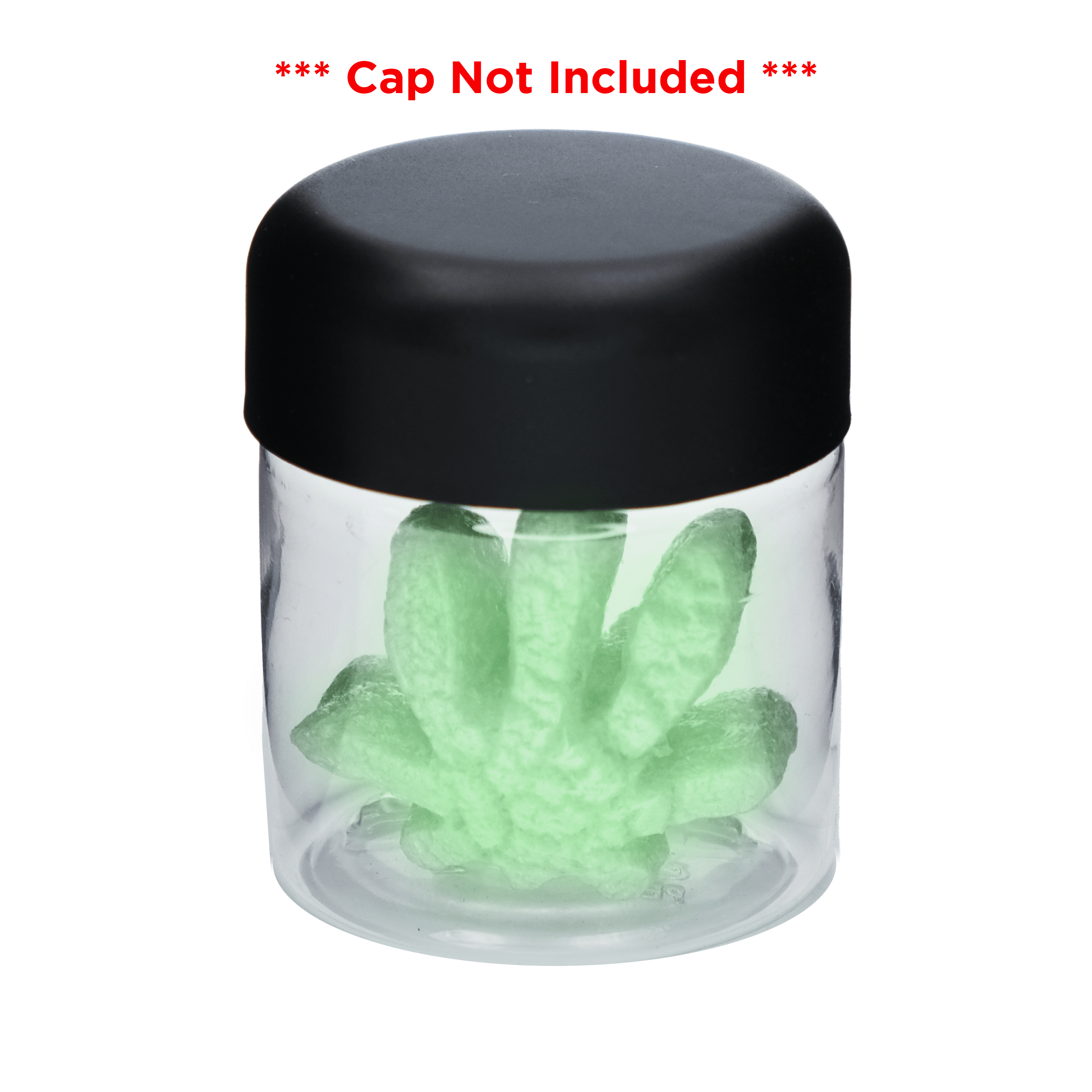
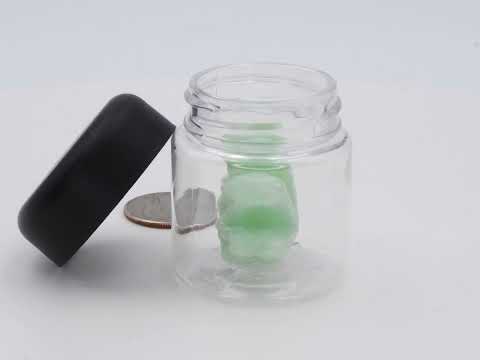
Only 7ml silicone containers include an integrated lid; eBottles 1 gram glass and PET jars are sold as standalone bases and require separate closures. Pair these straight-sided jars with continuous-thread 38mm child-resistant caps to ensure Title 16 CFR 1700.20 and ASTM D3475 compliance for retail distribution.
Browse compatible closure finishes in our 38mm Caps Collection or review state packaging rules via our State Compliance Regulations Guide.
How are small 1 gram concentrate jars labeled for retail?
Small 1 gram glass and plastic concentrate jars are too small for direct side-body labeling. Processing facilities place circular stickers on 38mm cap lids or package jars inside custom rigid outer boxes and blister cards to fit mandatory strain details and state compliance text.
Explore custom outer packaging through our Custom Concentrate Packaging Services or check in-house labeling via our In-House Label Application Service.
What case quantities and shipping options are available?
Inventory ships directly from our local Sacramento warehouse so clients can access single units, standard split packs, or master wholesale cases without minimum constraints. Local warehouse stocking eliminates long factory lead times and keeps commercial filling lines operating continuously.